







Dietitian Reveals the Simple Cooking Trick That Supercharges Vitamin A Absorption
Crunching on cold, raw carrots as part of a fresh garden salad is widely perceived as the ultimate benchmark of wholesome nutrition, yet nutritional science indicates this common habit may actually prevent the human body from extracting their complete nutrient potential. Renowned for their vibrant hue, carrots serve as one of nature's richest reservoirs of beta-carotene, a potent antioxidant carotenoid that the human metabolic system synthesizes directly into bioavailable Vitamin A. Because Vitamin A is indispensable for sustaining crystal-clear vision, bolstering mucosal immune defenses, repairing epithelial skin tissues, and promoting healthy cellular regeneration, understanding how to prepare this root vegetable is essential for maximizing its dietary value.
Why Raw Isn't Always Best: Cooking Breaks Down Rigid Plant Cell Walls
While munching on raw carrots offers beneficial dietary fiber, raw plant cellular architecture presents a significant physical obstacle to nutrient bioavailability. Rinkle Sharma, a clinical dietitian holding an M.Sc. in Food and Nutrition at Yatharth Super Speciality Hospital in Agra, explains that raw carrots possess tough, fibrous cell walls that trap valuable carotenoid molecules inside. Subjecting carrots to gentle culinary heat—such as mild steaming, baking, or light roasting—softens and fractures these rigid microscopic cellular structures, allowing trapped beta-carotene to release freely into the gastrointestinal tract during digestion. Clinical nutritional studies consistently demonstrate that thermal processing significantly enhances carotenoid bioaccessibility, making gently cooked carrots substantially more potent than raw sticks when your goal is elevating circulating Vitamin A levels.
The Fat-Soluble Secret: Pairing Carrots with Olive Oil and Healthy Dressings
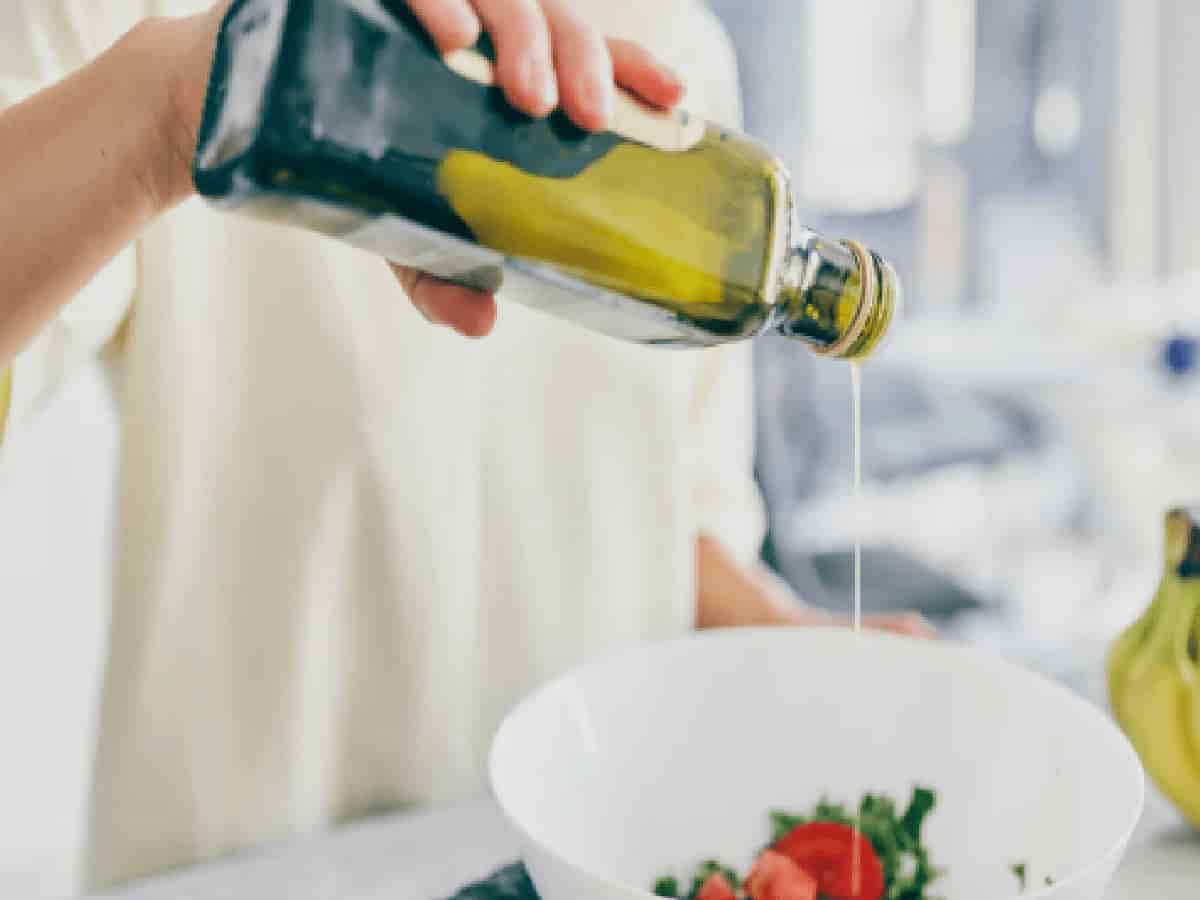
Heat exposure alone represents only half of the nutritional equation; the secondary secret to unlocking carotenoid potency lies in dietary lipids. Because provitamin A and carotenoids are fat-soluble micronutrients, intestinal absorption pathways require the simultaneous presence of dietary fats to package them into absorbable micelles. Consuming dry or water-boiled carrots without lipid accompaniment leads to the unabsorbed transit of vital nutrients through the digestive tract. Nutritional experts recommend lightly sautéing diced carrots in extra virgin olive oil or cold-pressed canola oil, roasting them alongside lipid-rich nuts, or dressing steamed slices with heart-healthy vinaigrettes, ensuring seamless systemic uptake and maximizing your body's defensive antioxidant reserves.