







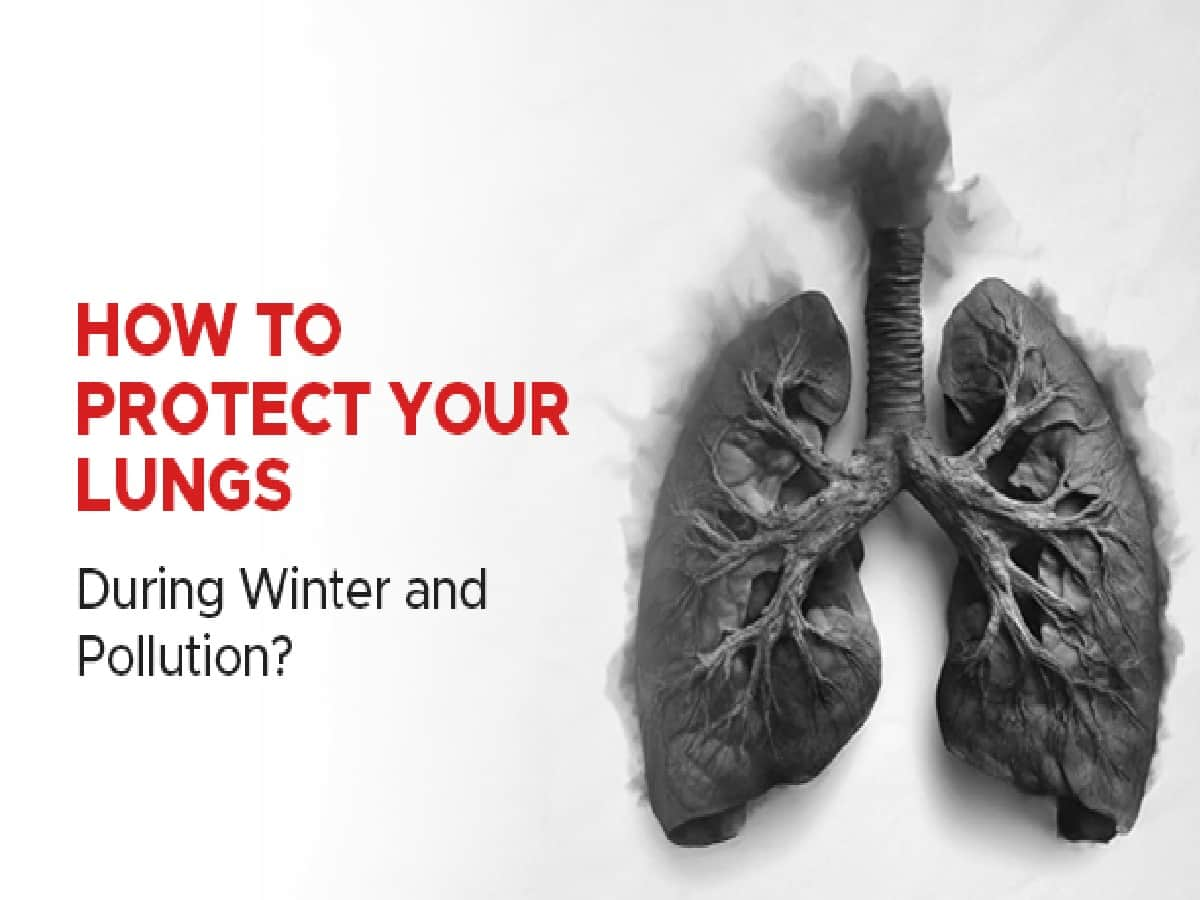
Crucial Daily Habits to Shield Your Lungs as Urban AQI Crashes
As seasonal meteorological shifts set in and northern urban belts grapple with deteriorating air quality indices, daily commuters, office professionals, and university students face escalating respiratory threats from hazardous ambient atmospheres. The convergence of vehicular exhaust, agricultural stubble burning across adjacent agricultural zones, and rampant construction dust is saturating municipal air with dangerous concentrations of microscopic PM 2.5 and PM 10 particulates. Medical specialists warn that inhaling these fine pollutants directly deteriorates delicate alveolar tissues, sharply compounding the long-term risk of severe pulmonary ailments such as acute asthma, chronic bronchitis, and Chronic Obstructive Pulmonary Disease (COPD). For individuals required to step outside daily, implementing calibrated lifestyle interventions is essential to mitigate immediate lung trauma.
Navigating the Daily Commute: Why Ordinary Cloth Masks Fall Short
Venturing outdoors into heavily polluted zones requires verified respiratory filtration gear:
-
Invest in Certified N95 Respirators: Standard surgical coverings or folded cotton handkerchiefs cannot trap sub-micron atmospheric toxins; commuters must strictly deploy certified N95 or N99 filtration masks fitted snugly against the nasal bridge and jawline.
-
Halt Early-Morning Outdoor Cardio: High-intensity activities such as brisk outdoor jogging, open-air calisthenics, or sunrise walking sessions must be discontinued during severe pollution spells, as heavy exertion draws toxic particles deeper into the pulmonary tract.
-
Shift to Controlled Indoor Workouts: Fitness enthusiasts should transition their exercise regimens inside closed, conditioned environments, relying on light aerobic movements, stretching, or yoga to maintain conditioning without inhaling raw particulate matter.
Mitigating Indoor Hazards: Eliminating Internal Smoke Vectors
Confining activities inside apartments or office complexes does not guarantee immunity from particulate contamination:
-
Deploy HEPA-Grade Air Purifiers: Installing high-efficiency particulate air (HEPA) filtration units inside bedrooms and workstations significantly scrubs circulating micro-pollutants and lingering allergens.
-
Cultivate Air-Purifying Greenery: Introducing natural botanical filters such as snake plants (Sansevieria), spider plants, and areca palms aids in improving indoor oxygenation and stabilizing micro-climates within enclosed rooms.
-
Cease Indoor Combustion Rituals: Refrain from burning mosquito repellent coils, chemical room sprays, decorative wax candles, or fragrant incense sticks (agarbatti), as domestic smoke directly degrades ambient indoor air quality.
Nutritional Defense and Hydration: Bolstering Internal Pulmonary Barriers
Reinforcing the respiratory system from within requires targeted dietary adjustments and disciplined hydration habits:
-
Sustain Deep Hydration Levels: Consuming ample clean water throughout the day ensures the mucous membranes lining the trachea and bronchial tubes remain moist, empowering them to trap and expel inhaled contaminants more effectively.
-
Integrate Antioxidant-Rich Nutrients: Fortify daily meals with potent antioxidant sources containing Vitamin C, Vitamin E, and anti-inflammatory Omega-3 fatty acids to combat cellular oxidative stress caused by free radicals.
-
Targeted Pranayama and Breathing Regimens: Practice classical yogic respiratory exercises—including Anulom Vilom and Kapalabhati—behind sealed windows to improve vital lung capacity and enhance diaphragm flexibility.
Recognizing Red-Flag Symptoms: When to Seek Immediate Medical Care
Respiratory distress should never be dismissed as seasonal throat irritation:
-
Warning Signs to Monitor: The onset of lingering dry coughs, recurring throat burning, chest tightness, audible wheezing, or uncharacteristic breathlessness necessitates immediate clinical evaluation.
-
Preventing Irreversible Tissue Damage: Consulting a certified pulmonologist at the earliest manifestation of irritation enables prompt intervention, keeping bronchial inflammation manageable before chronic pulmonary impairment sets in.




