







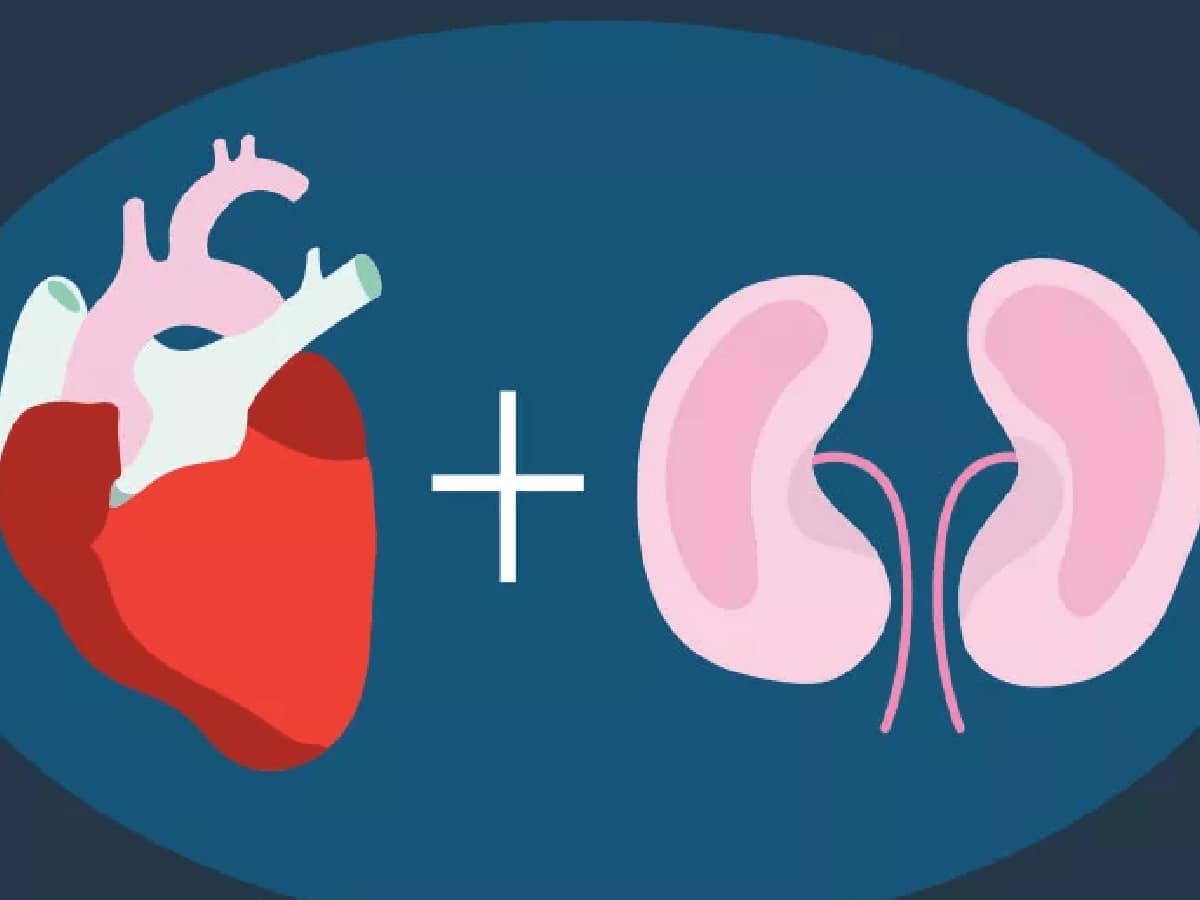
Consuming Too Much Can Damage Kidneys, Heart & Gut Health
In an era dominated by fitness trends, gym influencers, and packaged protein snacks, high-protein eating patterns have rapidly transitioned from a targeted athletic routine into a mainstream lifestyle obsession. However, clinical nutritionists and health experts caution that blindly ramping up protein intake without assessing personal metabolic requirements poses severe risks to your vital organs, notably the kidneys, cardiovascular system, and gastrointestinal tract. While protein functions as an indispensable foundational macronutrient required for enzymatic digestion, hormone production, robust immunity, cellular repair, and healthy skin, hair, and nails, an unchecked surplus forces the body into metabolic stress. Striking the ideal physiological balance requires moving past marketing hype and learning to recognize your body's precise daily threshold before nutritional habits cause internal harm.
Biological Drivers: Why Protein Intake Differs for Every Individual
Determining how much protein your body actually requires cannot be solved by a generic one-size-fits-all meal plan:
-
Body Weight Multiplier: Recommended daily allowance calculations rely on grams per kilogram of body weight, meaning individual weight profiles dictate distinct daily baselines.
-
Sedentary vs. Active Lifestyles: Desk-bound individuals with low physical movement need significantly lower quantities than active gym-goers, resistance trainers, or endurance athletes demanding accelerated muscle recovery.
-
Age-Related Demands: Sarcopenia, the natural age-related decline in muscle mass, increases baseline protein needs in older adults to preserve physical functional mobility and skeletal strength.
-
Vegetarian and Plant-Focused Diets: Those adhering to vegan or vegetarian patterns must balance complementary amino acid profiles from pulses, legumes, soy, and whole grains to match animal protein biological value.
-
Special Clinical Phases: Pregnant women, nursing mothers, and patients recovering from clinical illness or surgical procedures require elevated daily protein levels, which should always be tailored under medical guidance.
The Hidden Hazards: What Overconsuming Protein Does to Your Kidneys and Heart
Unregulated, excessive protein consumption sustained over prolonged periods extracts a steep toll on internal physiology:
-
Kidney Filtration Strain: Excess dietary protein floods the renal system with nitrogenous byproducts like urea, forcing the kidneys into hyperfiltration, which can accelerate renal stress over time.
-
Elevated Cardiovascular Vulnerability: Diets centered on massive servings of fatty cuts or processed red meats drive up saturated fats and cholesterol levels, increasing long-term risks of arterial plaque formation and heart disease.
-
Digestive Complications from Fiber Deficits: Focusing excessively on animal meats or powders frequently crowds out dietary fiber, triggering acute sluggish digestion, gastrointestinal distress, and gut microbiome imbalances.
-
Micronutrient Deficiencies: Heavily protein-loaded plates leave insufficient space for complex carbohydrates and vital essential fats, depriving your body of key vitamins, minerals, and phytonutrients.
6 Telltale Warning Signs: How to Spot If You Are Eating Too Much Protein
Your body displays distinct clinical indicators when forced to process an unsustainable protein surplus:
-
Unquenchable Thirst and Dry Throat: Higher blood nitrogen levels draw out systemic water, leading to recurring dehydration and persistent dry mouth.
-
Chronic Digestive Distress: Frequent bloating, excess gas, irregular bowel movements, diarrhea, or acute constipation point to fiber displacement and digestive overload.
-
Ketone-Induced Halitosis: Drastically restricting carbs in favor of pure protein induces ketosis and produces a distinct, stubborn bad breath that standard oral care cannot resolve.
-
Fatigue and Brain Fog: Neglecting complex carbohydrates robs the central nervous system of its preferred glucose fuel, triggering midday exhaustion, sluggish focus, and mental dullness.
-
Muscle Cramping and Strain: Imbalances in hydration and electrolyte excretion triggered by high-protein loads manifest as painful muscular spasms and recurring cramps.
Smarter Nutrition Strategies: How to Balance Your Daily Protein Without Harm
Achieving optimal vitality and muscle preservation without overburdening your digestive or renal systems relies on practical, balanced dietary rules:
-
Prioritize Nutrient-Dense Whole Foods: Favor fresh eggs, lean poultry, wild fish, low-fat cottage cheese, and a rich variety of lentils, seeds, and nuts over heavily processed isolate powders.
-
Even Portion Distribution: Instead of loading a massive protein quantity into a single heavy dinner, spread your intake evenly across small portions through breakfast, lunch, and dinner to maximize cellular utilization.
-
Combine with Complex Carbs: Always pair clean protein portions with slow-digesting complex carbohydrates to spare protein for tissue repair and prevent energy crashes.
-
Incorporate Gut-Friendly Plant Proteins: Regularly consume tofu, tempeh, legumes, and seeds to fortify your digestive system with soluble fiber while promoting feelings of lasting satiety.
-
Scrutinize Supplements and Powders: Before consuming commercial protein powders, shakes, or meal-replacement bars, read nutrition labels carefully to avoid hidden added sugars, artificial additives, elevated saturated fats, and empty surplus calories.




