







Can a Broken Heart Kill You, London Cardiologist Explains How Shock Stuns the Heart
The phrase "dying of a broken heart" is commonly dismissed as poetic metaphor or romantic exaggeration, yet medical science reveals that profound emotional agony can trigger life-threatening physical consequences. Beyond colloquial expressions used following bitter breakups, intense interpersonal clashes, or the sudden demise of a loved one, severe psychological trauma can induce an acute cardiovascular crisis. London-based cardiologist Dr. brought global attention to this critical condition through an educational clinical video on Instagram, warning that intense grief and shock can rapidly compromise cardiovascular mechanics, making broken heart syndrome a condition capable of leading to fatal outcomes if medical intervention is delayed.
Understanding Takotsubo Cardiomyopathy: The Chemical Rush Behind Broken Heart Syndrome
Clinically designated as Takotsubo cardiomyopathy, broken heart syndrome is not an imaginary psychological construct but an acute, medically documented cardiovascular disorder. When an individual confronts unbearable grief, profound personal loss, devastating betrayal, or sudden paralyzing fear, the human central nervous system goes into overdrive. This uncontrollable emotional stress prompts an aggressive, massive surge of catecholamines, flooding the bloodstream with adrenaline, noradrenaline, and associated stress hormones. In vulnerable individuals, this immense hormonal spike stuns the myocardial tissue, causing the apex of the left ventricle to balloon outwards while the base contracts abnormally, severely disrupting regular pumping dynamics and potentially triggering lethal cardiac arrhythmias.
Beyond Romantic Breakups: The Full Spectrum of Traumatic Physical and Psychological Triggers
While dramatic relationship terminations and contentious divorces frequently serve as focal points in popular culture, the clinical triggers for broken heart syndrome extend far beyond romantic disappointment. The syndrome stems from any overwhelming emotional or physical shock that overtaxes the central nervous system. Common triggers include the sudden loss of a child or spouse, catastrophic financial ruin, involvement in severe automobile accidents, intense domestic disputes, and acute physiological stressors such as undergoing invasive major surgeries or surviving severe systemic illnesses, all of which place immense, sudden burdens on myocardial function.
Broken Heart Syndrome vs. Classic Heart Attack: Recognizing Critical Diagnostic Differences
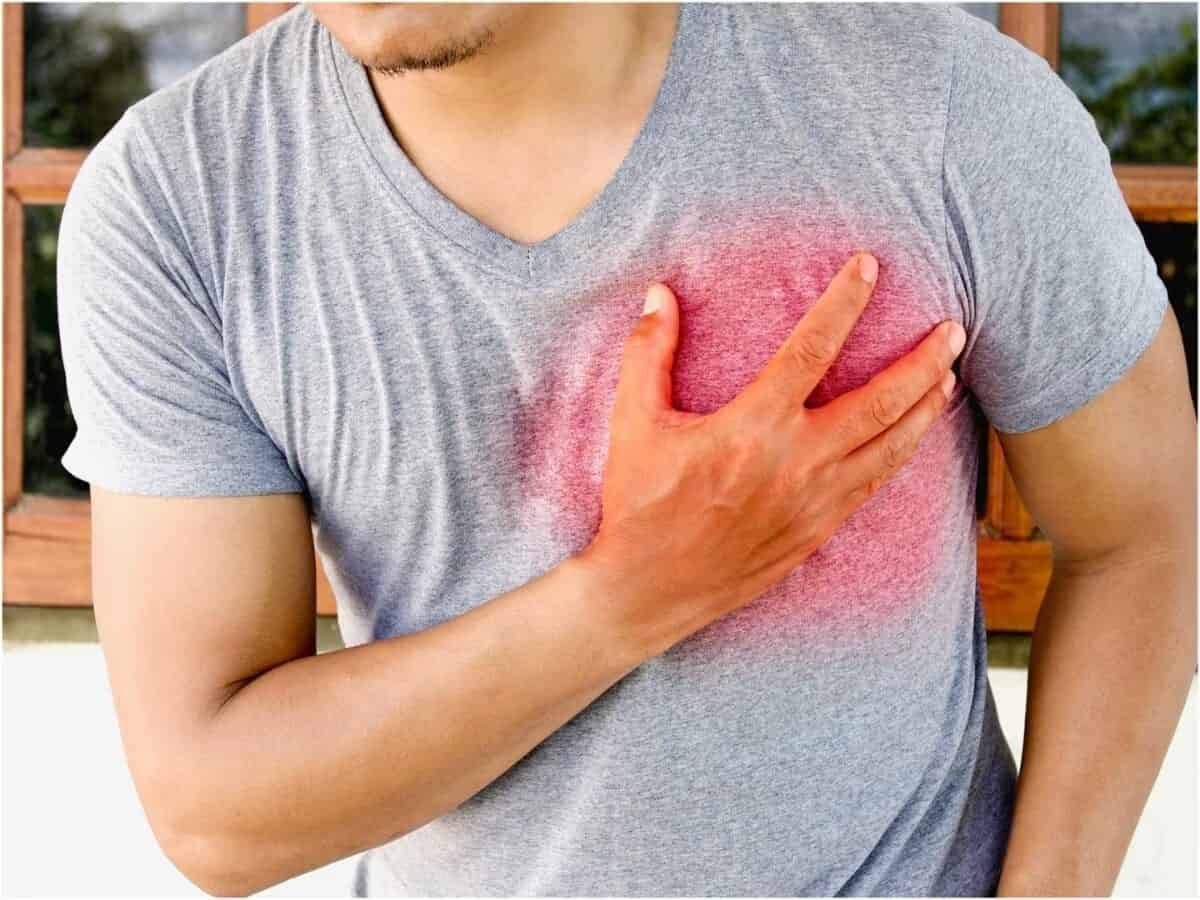
Distinguishing between broken heart syndrome and a classic myocardial infarction (heart attack) is critical for emergency triage, as both conditions frequently mimic each other with sudden chest pain, profound shortness of breath, and rapid, irregular palpitations. The primary pathophysiological difference lies in vascular architecture: a conventional heart attack occurs when atherosclerotic plaque ruptures, forming a clot that blocks blood flow through a coronary artery, cutting off oxygen to heart tissue. In contrast, broken heart syndrome presents without significant coronary artery blockages; instead, the heart muscle is acutely paralyzed and deformed by the localized hormone deluge. Emergency physicians rely on cardiac enzyme blood tests, 12-lead electrocardiograms (ECG), echocardiograms, and diagnostic coronary angiograms to identify apical ballooning, rule out blocked arteries, and initiate life-saving hemodynamic stabilization.




