







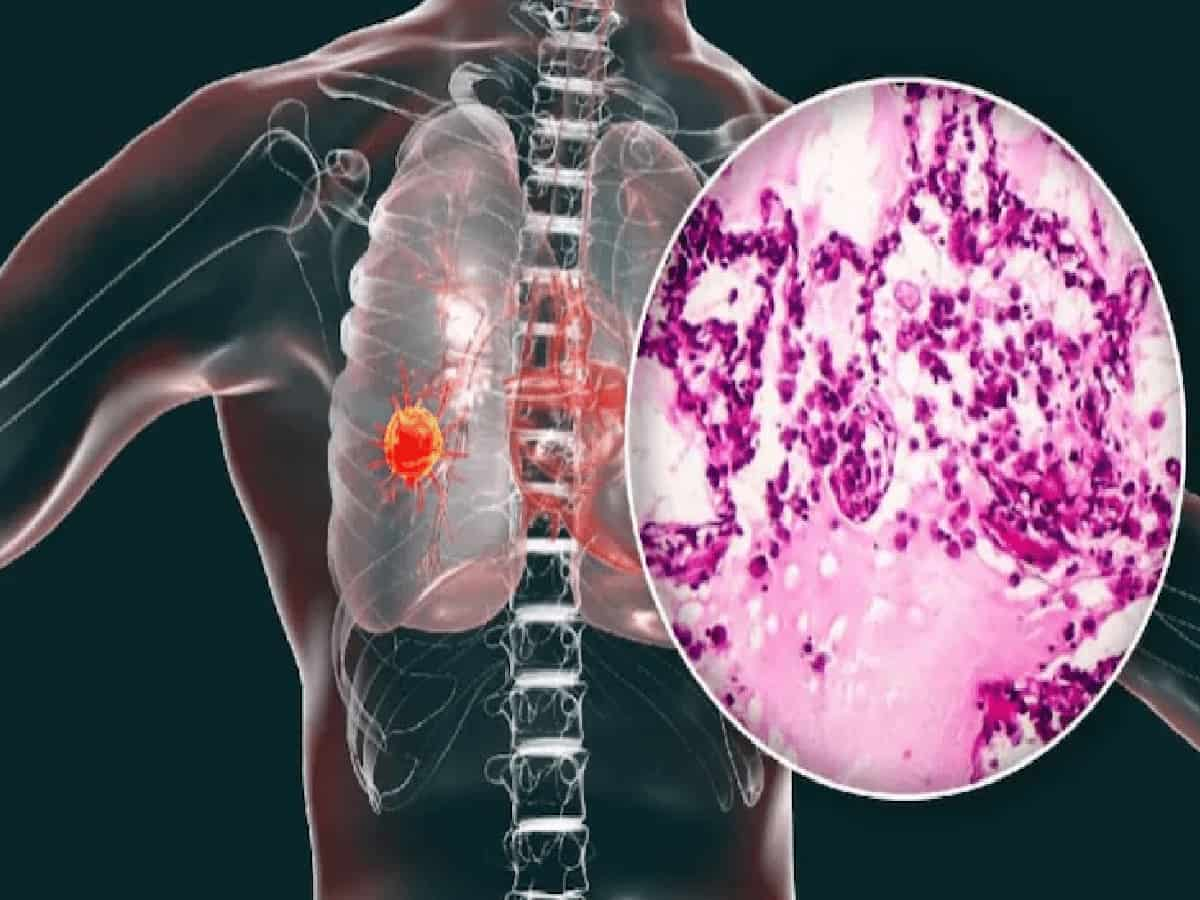
Breakthrough Precision Therapies and Early Detection Turn Lung Cancer
For decades, receiving a lung cancer diagnosis was widely perceived as an irreversible verdict with minimal odds of long-term recovery, evoking overwhelming fear and psychological distress among patients and families. However, rapid breakthroughs across modern oncological science are dismantling that grim reality. Advanced molecular diagnostics, robotic surgical procedures, targeted genomic therapies, and next-generation immunotherapy protocols have reshaped the clinical landscape, transforming what was once a uniformly terminal condition into a highly manageable, and in many cases curable, disease. According to Dr. Kuldeep Kumar Grover, Associate Director of Pulmonology and Critical Care at CK Birla Hospital, oncology has firmly moved away from archaic, one-size-fits-all treatments toward tailored precision medicine, offering unprecedented survival rates and robust quality of life even in complex clinical presentations.
Precision Medicine Revolution: How Targeted Therapy and Immunotherapy Alter the Prognosis
While conventional modalities like surgery, radiation, and chemotherapy remain foundational pillars, personalized biological treatments are driving modern oncological success:
-
Moving Away from Uniform Protocols: Treatment pathways are now meticulously mapped according to specific tumor histological classifications, tumor stages, somatic genetic mutations, and the overall physiological resilience of the individual patient.
-
Pinpointed Targeted Therapies: Rather than broadly attacking all dividing cells, targeted pharmaceutical drugs seek out specific molecular alterations and oncogenic driver mutations within cancer cells, neutralizing tumor growth while sparing healthy surrounding tissues.
-
Empowering the Immune System via Immunotherapy: Immunotherapeutic agents strip away the deceptive camouflage used by malignant cells, empowering the body's natural T-cells to identify, attack, and eradicate pulmonary tumors directly.
-
Personalized Cancer Vaccines on the Horizon: Cutting-edge scientific laboratories are actively running clinical trials on custom-engineered mRNA cancer vaccines, designed to train a patient's own immune system against specific tumor antigens, opening promising future therapeutic frontiers.
Early Detection Remains the Supreme Shield: Critical Warning Signs You Must Not Ignore
Despite quantum leaps in therapeutic technology, clinical outcomes still depend heavily on catching cellular abnormalities before regional metastasis occurs:
-
The Three-Week Cough Warning: A persistent cough lasting beyond three weeks, or a noticeable shift in the character of a chronic smoker's cough, requires prompt diagnostic evaluation rather than casual home syrups.
-
Hemoptysis Demands Immediate Action: Coughing up blood, even in minute flecks or streaks, is an absolute red flag that warrants immediate thoracic screening and imaging.
-
Chronic Shortness of Breath and Recurrent Infections: Unexplained dyspnea during routine activities, persistent dull chest discomfort, and recurring bouts of pneumonia or bronchitis frequently indicate underlying airway obstruction.
-
Systemic Warning Signals: Prolonged hoarseness of voice, unexplained weight and appetite loss, deep shoulder pain, and debilitating daytime exhaustion must never be dismissed as routine seasonal fatigue.
Holistic Clinical Goals: From Total Eradication to Long-Term Quality of Life
Medical specialists emphasize that modern therapeutic strategies are custom-calibrated around realistic patient-centric outcomes:
-
Curative vs. Chronic Disease Management: In localized and early-detected stages, aggressive multimodal treatment aims for complete pathological eradication of the malignant tissue; in advanced stages, modern systemic therapies focus on arresting progression and turning cancer into a chronic, livable condition.
-
Differentiating Respiratory Conditions: While persistent respiratory symptoms do not automatically signify malignancy, they share diagnostic overlap with asthma, COPD, and tuberculosis, making accurate differential diagnosis essential.
-
Consulting Medical Specialists Promptly: Individuals experiencing unresolved thoracic distress should immediately seek consultation with a pulmonologist or medical oncologist to undergo low-dose computed tomography (LDCT) scans and molecular tests, securing the best clinical advantages available in modern healthcare.




