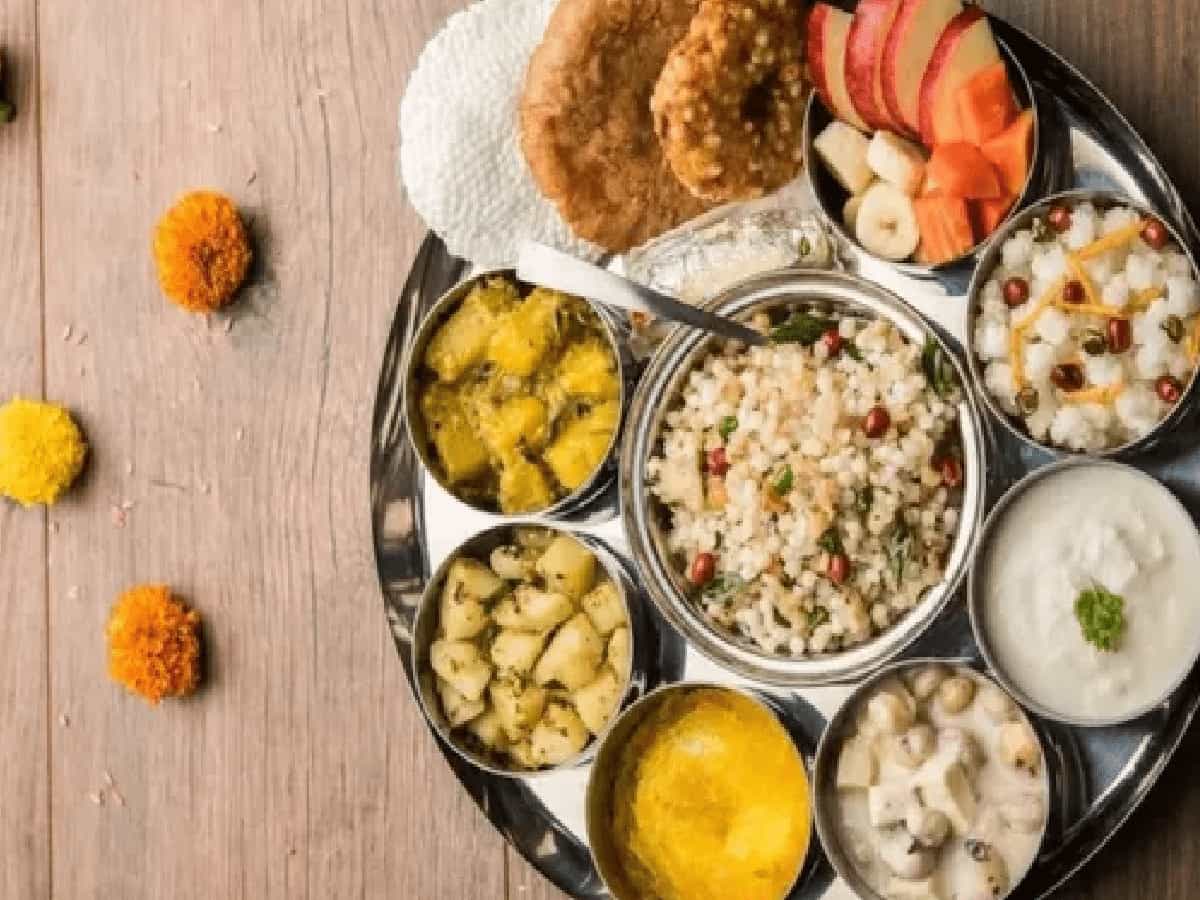
Avoid These Common Dietary Mistakes During Navratri Fasting to Protect Your Gut & Stamina
The holy festival of Sharadiya Navratri brings a sacred window of devotion, spiritual contemplation, and traditional fasting as millions across India worship the diverse divine forms of Goddess Durga. While devotees willingly forgo standard grain meals to rely exclusively on phalahar (fruit-based) or Satvik preparations, common dietary missteps can quickly turn a cleansing spiritual fast into a health setback. Prolonged intervals of starvation punctuated by oil-laden snacks often trigger acute lethargy, dehydration, severe acid reflux, and metabolic dips. Following balanced nutritional principles, pacing meal intervals, and ensuring optimal hydration are essential steps to keep your physical vitality intact while honoring the sacred vrat.
Prioritize Systematic Hydration: Safeguarding Electrolyte Balance
Inadequate fluid intake remains the most common error observed among devotees observing multi-day fasts:
-
Combatting Dehydration and Fatigue: Fasting individuals frequently neglect regular water consumption, which quickly produces dry mouth, tension headaches, dizziness, and chronic exhaustion on an empty stomach.
-
Daily Fluid Targets: Health experts recommend consuming a minimum of 8 to 10 glasses of pure water spaced evenly throughout the morning and evening hours.
-
Natural Hydration Boosters: In addition to plain water, integrate fresh coconut water, home-squeezed lemon water (nimbu pani), and probiotic-rich buttermilk (chaas) to preserve natural sodium and potassium balance across vital organs.
Energy-Dense Nutrient Fuel: Sustained Vitality with Wholesome Foods
Because daily carbohydrate intake drops sharply during traditional fasting, deliberate food choices must provide steady energy releases:
-
Nutrient-Dense Fresh Fruits: Incorporate potassium-rich bananas, fiber-packed apples, and digestive enzymes from papayas to sustain baseline stamina without creating digestive discomfort.
-
Power-Packed Nuts and Seeds: Snack regularly on raw or lightly roasted almonds, omega-3 rich walnuts, and crunchy fox nuts (makhana) cooked in minimal pure ghee to curb sudden hunger pangs.
-
Steady Glycemic Support: These natural, fiber-rich whole foods provide a consistent flow of clean energy, avoiding the sudden blood sugar spikes and crashes associated with processed fasting snacks.
Ditch Deep-Fried Traps: Replace Oily Pakoras with Baked & Boiled Alternatives
A frequent dietary mistake involves consuming commercial fried delicacies marketed under the banner of fasting food:
-
The Acidity and Gas Trigger: Consuming deep-fried puris made of buckwheat flour (kuttu), water chestnut flour (singhara), potato chips, and oily fritters (pakoras) directly onto an empty stomach strains gastric lining and causes severe acid reflux.
-
Healthier Culinary Replacements: Swap heavy deep-fried options for simple boiled potatoes tempered with cumin, rotis crafted from water chestnut flour, roasted sweet potatoes, or lightly tossed vegetables.
-
Digestive Ease: Gentle cooking methods ensure optimal nutrient absorption without overloading the liver and gallbladder during fasting.
Mindful Rock Salt & Caffeine Intake: Curbing Bloating and Acid Rebound
Balancing mineral condiments and stimulants protects cardiovascular rhythm and stomach comfort throughout the day:
-
Regulating Sendha Namak: While rock salt (sendha namak) replaces standard iodized table salt during Navratri rituals, keep portions measured; excessive salt consumption can cause fluid retention, bloating, and blood pressure spikes.
-
Limiting Excessive Tea and Coffee: Relying on repeated cups of hot tea or strong coffee to suppress hunger causes severe heartburn and stomach lining irritation; substitute commercial stimulants with cooling natural fruit juices, coconut water, or fresh mint-infused buttermilk.
-
Ensuring Restorative Sleep: Because caloric intake is naturally restricted, the body needs sufficient physical recuperation; target 7 to 8 hours of uninterrupted nocturnal sleep and avoid heavy, high-intensity workouts or exhausting physical chores.