







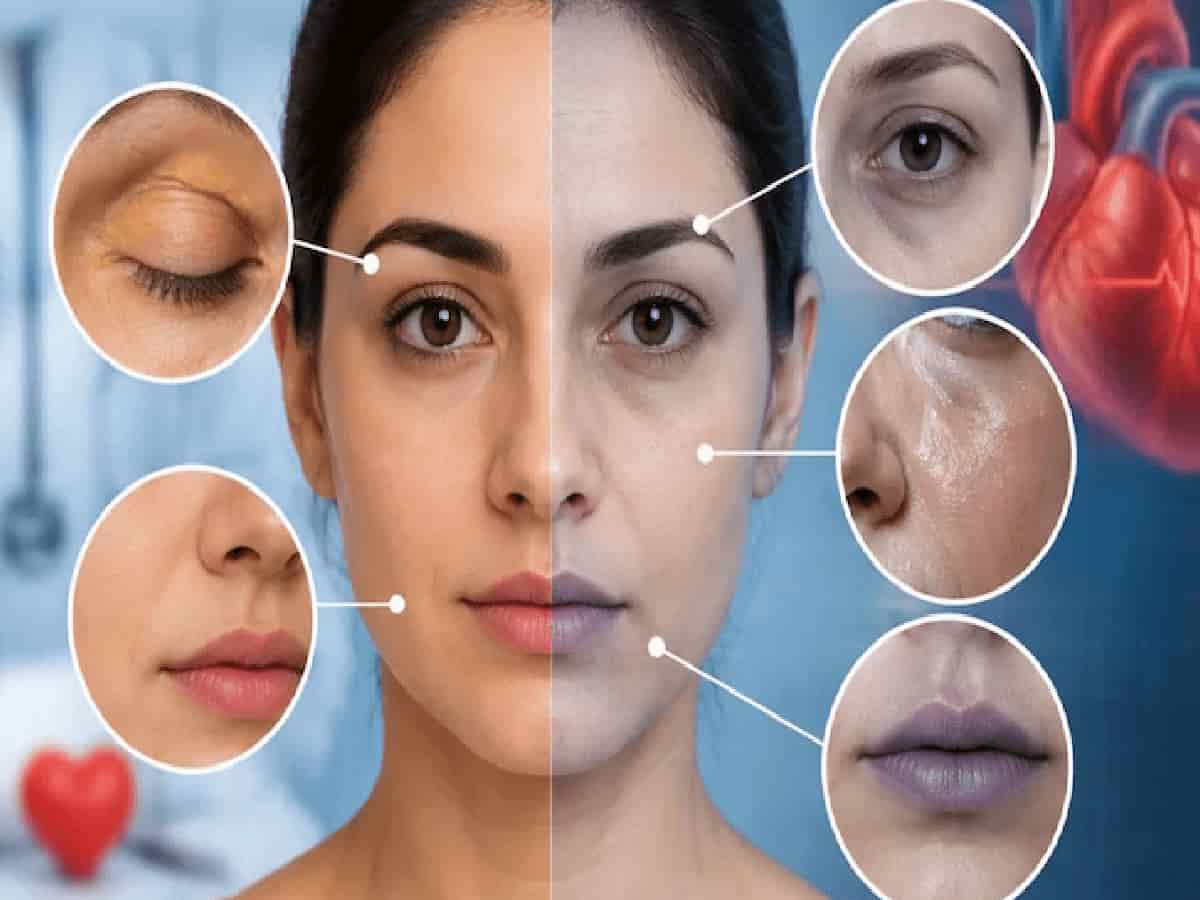
5 Facial Changes That Signal Hidden Cardiovascular Trouble
When cardiovascular emergencies arise, clinical discussions almost universally highlight intense central chest heaviness, radiating arm pain, breathlessness, and acute perspiration. However, leading medical specialists emphasize that subtle physiological warning signs often materialize visibly across a person’s face and skin hours, days, or weeks before acute coronary blockage occurs. According to Dr. Anshul Kumar Jain, Director of Cardiology at CK Birla Hospital in Delhi, distinct dermatological shifts can point directly toward systemic circulatory collapse, peripheral oxygen starvation, or dangerous arterial cholesterol accumulation. While facial symptoms alone cannot replace an emergency clinical diagnosis, recognizing these five visible changes can prove critical in preventing life-threatening coronary events.
Sudden Facial Pallor: When Blood Rushes Away from the Skin
A dramatic, sudden draining of natural skin tone is one of the earliest indicators of acute circulatory distress:
-
Vasoconstriction Mechanism: During an impending heart attack, the cardiovascular system goes into survival mode, prioritizing arterial blood delivery to vital organs like the brain and kidneys while sharply constricting blood flow to peripheral dermal layers.
-
Ghostly or Ashy Appearance: This vascular redistribution leaves the face appearing suddenly washed out, pale, or gray, often accompanied by sudden lightheadedness.
-
Differential Considerations: While chronic anemia and acute hypotension can also induce pallor, a sudden and unexplained loss of facial color in individuals with lifestyle risk factors demands prompt clinical attention.
Profuse Cold Sweats with Clammy Skin: The Autonomic Warning Bell
Sudden, unprovoked perspiration without physical exertion or environmental heat is a hallmark cardiovascular red flag:
-
Sympathetic Nervous System Activation: Acute myocardial ischemia triggers a surge in adrenaline and stress hormones, causing sweat glands to fire uncontrollably while peripheral blood vessels constrict.
-
Cold and Clammy Dermal Texture: The skin on the forehead, cheeks, and neck feels unnervingly cool and clammy to the touch despite heavy perspiration.
-
Emergency Red Flags: When unprovoked cold sweating coincides with vague chest discomfort, nausea, dizzy spells, or unexplained fatigue, it warrants immediate emergency medical evaluation.
Cyanosis: The Bluish or Grayish Tinge Around the Lips and Face
A visible change in facial coloration toward blue or dark slate gray points to cellular oxygen starvation:
-
Deoxygenated Blood Accumulation: Medically classified as cyanosis, this discoloration develops when cardiac output drops, leaving red blood cells carrying insufficient oxygen to microvascular networks.
-
High-Visibility Stress Zones: The bluish tint is most prominent along the vermilion border of the lips, the tongue, cheekbones, and nail beds.
-
Cardiopulmonary Crisis Indicator: Cyanosis indicates severe cardiopulmonary compromise, such as congestive heart failure, pulmonary embolism, or acute coronary syndrome, requiring immediate hospital intervention.
Yellowing of the Sclera and Skin: Secondary Hepatic and Cardiac Strain
While yellow discoloration primarily implicates liver dysfunction, it frequently overlaps with chronic cardiac complications:
-
Congestive Hepatic Overload: Severe right-sided heart failure causes venous blood to back up into the liver, precipitating mild jaundice characterized by yellowing skin and sclera.
-
Elevated Risk Profile: For patients managing established hypertension, previous bypass surgeries, or coronary artery disease, new onset of yellowing skin warrants an integrated cardiac and liver function panel.
Xanthelasma: Yellow Cholesterol Plaques Around the Eyelids
Visible lipid deposits around the eyes act as an external window into arterial plaque accumulation:
-
Subcutaneous Cholesterol Accumulation: Soft, yellowish, slightly elevated patches appearing near the inner corners of the upper or lower eyelids are clinically known as xanthelasma palpebrarum.
-
Direct Atherosclerosis Marker: These deposits consist of lipid-laden foam cells caused by elevated low-density lipoprotein (LDL) cholesterol and oxidized lipids leaking through capillary walls.
-
Long-Term Cardiovascular Risk: While xanthelasma is painless and does not cause direct physical harm, its presence indicates systemic dyslipidemia, significantly elevating the lifetime risk of coronary artery disease, myocardial infarction, and ischemic stroke.




