3 Common Mistakes While Checking Blood Sugar at Home and Why Your Readings Might Be Wrong
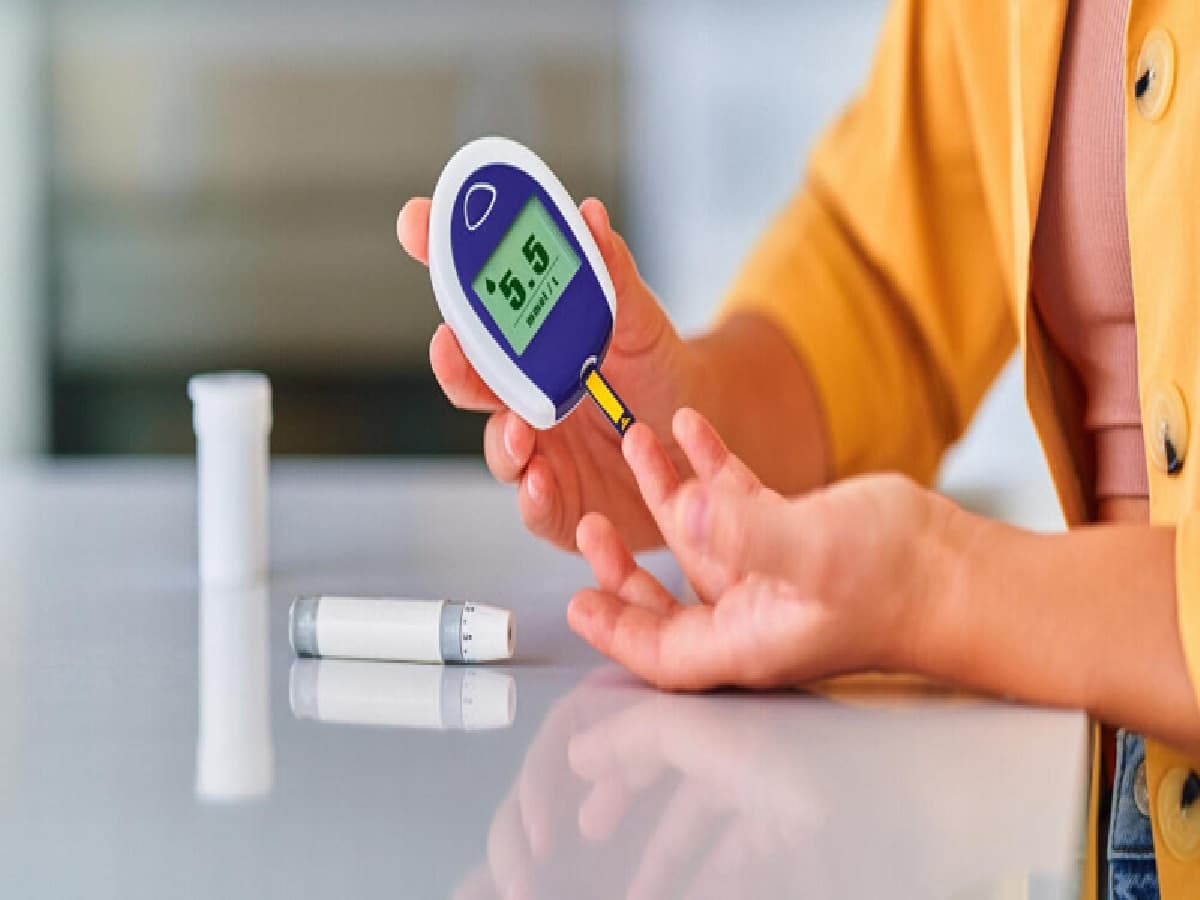
Managing diabetes at home has become increasingly common thanks to digital glucometers, allowing patients to monitor their blood glucose levels conveniently without frequent hospital visits. However, many individuals notice conflicting or inaccurate results when testing at home, often wondering why their readings do not match expectations. According to health experts, these discrepancies usually stem from simple procedural errors during testing. Dr. Aditya Yadav recently highlighted three major mistakes people frequently make while checking blood sugar at home, along with expert tips to ensure accurate results.
Mistake 1: Using the First Drop of Blood and Neglecting Hand Hygiene
One of the most widespread errors during home blood glucose testing is using the very first drop of blood that emerges after a finger prick. Medical experts advise that the initial drop often contains interstitial fluid, sweat, or microscopic skin contaminants that can artificially dilute or alter the glucose reading. The correct procedure involves gently wiping away the first drop of blood with a clean cotton ball and utilizing the subsequent drop for testing. Furthermore, failing to wash hands properly beforehand leaves behind invisible food residues, especially sweet particles, which can falsely elevate blood sugar readings. Always wash your hands thoroughly with soap and warm water before taking a test.
Mistake 2: Squeezing and Pressing the Finger Too Hard
When drawing blood for a glucometer test, many people instinctively squeeze or press their finger tightly to force the blood out. Dr. Aditya explains that applying excessive pressure causes tissue fluid from surrounding cells to mix directly with the blood sample. This dilution significantly compromises the accuracy of the glucose measurement. Instead of squeezing hard, experts recommend allowing the blood to flow naturally. To achieve this effortlessly without pain, briskly rub your hands together for a few moments beforehand to naturally stimulate blood circulation in your fingers.
Mistake 3: Incorrect Pricking Technique Causing Pain and Inaccurate Flow
Beyond technique errors, the physical method of pricking the finger often causes unnecessary pain and complicates blood collection. Doctors advise against pricking the direct center or tip of the finger, as these areas are densely packed with nerve endings. Instead, choose your middle or ring finger, and target the lateral side facing your little finger, which is far less sensitive and makes drawing a natural drop of blood completely painless. Avoiding these three common pitfalls will ensure your home glucometer readings are reliable, accurate, and consistent.