The Story Behind Lakhbir Singh Lakha’s Immortal 1996 Navratri Anthem
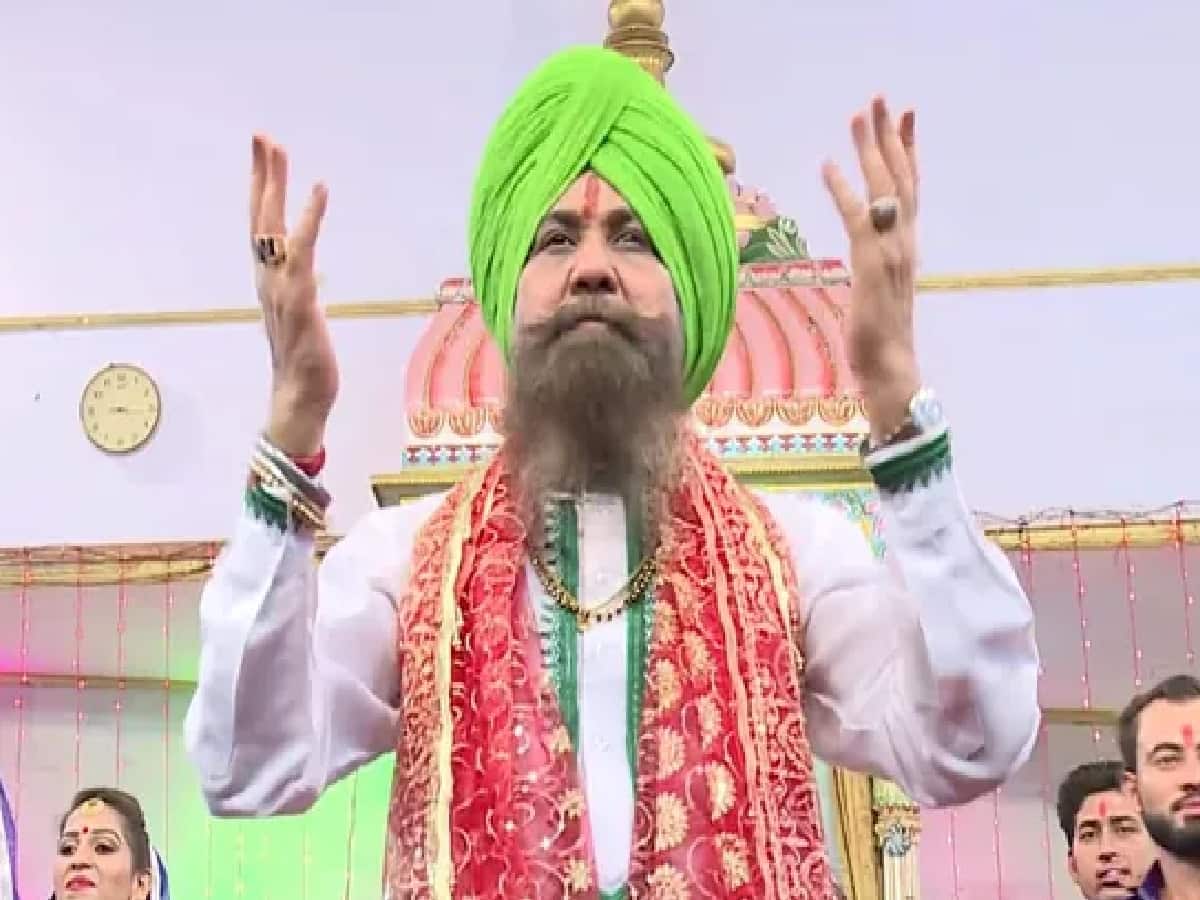
As Sharadiya Navratri commences, ushering in nine days of reverent devotion to Goddess Durga across temples and decorative pandals nationwide, sacred music from cinema and devotional archives takes center stage in households. While luminaries ranging from Mohammed Rafi to Sonu Nigam have contributed timeless devotional melodies to the cultural canon, Punjabi vocalist Lakhbir Singh Lakha stands in a league of his own. Renowned for his booming, resonant vocal delivery and intense spiritual fervor, Lakha delivered a defining masterpiece 30 years ago that continues to define the sonic landscape of the festival across North India and the diaspora.
The 1996 T-Series Landmark: 'Maiya Ka Chola' and Lakha's Roaring Vocals
In 1996, Lakha recorded "Aate Hain Har Saal Naurate Mata Ke" for the cassette album Maiya Ka Chola, distributed under Gulshan Kumar's pioneering devotional music label T-Series. The track rapidly transitioned from local music stalls into a pan-Indian cultural phenomenon, distinguished by high-tempo dhol rhythms, sweeping brass accompaniments, and Lakha’s soaring, raw vocal timbre. For three decades, the hymn has retained unmatched popularity in pandals and morning community processions, remaining an irreplaceable festive staple that has bridged generations of worshippers since the mid-1990s.
A Nine-Day Spiritual Guide: Why the Cult Hymn Remains Unmatched
Beyond its melodic energy, the enduring appeal of "Aate Hain Har Saal Naurate Mata Ke" lies in its educational and spiritual structure. The composition systematically chronicles the significance of each of the nine sacred days, guiding listeners through the distinct attributes, rituals, and virtues associated with every form of the Navdurga. Even for devotees unfamiliar with complex Vedic rituals, the lyrical narrative serves as an accessible spiritual primer, demystifying the sacred nine-day calendar in everyday poetic language while sustaining a timeless connection between 90s devotional nostalgia and modern festive observance.