The Soul Behind Delhi-6: How AR Rahman Turned a Chhattisgarhi Folk Melody into an Evergreen Classic
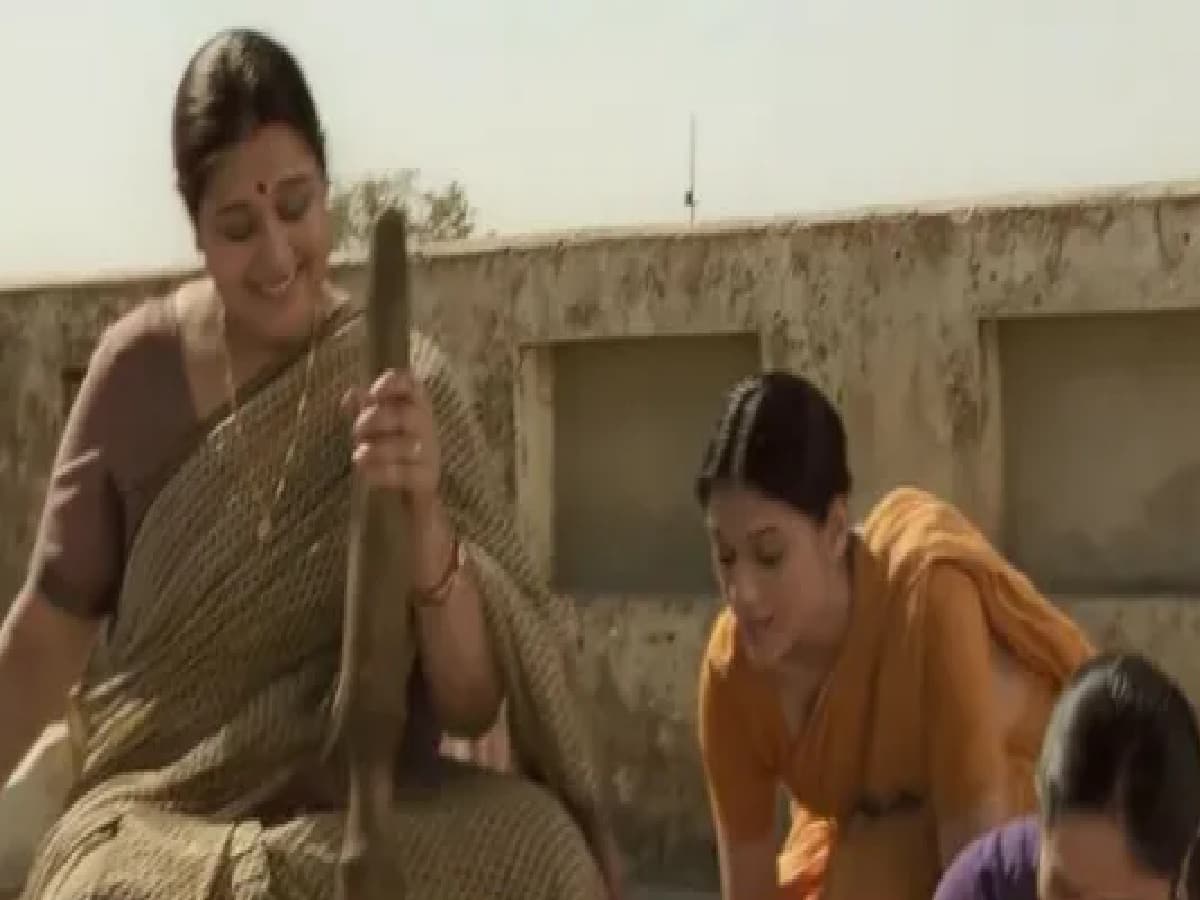
Music maestro A.R. Rahman has crafted numerous chartbusters that transcend eras, but few pieces capture the intimate charm of domestic life quite like the evergreen track from the 2009 Rakeysh Omprakash Mehra directorial Delhi-6. Featuring Abhishek Bachchan, Sonam Kapoor, and a lively ensemble cast, the visual narrative paints a cozy portrait of Indian family dynamics—sunlit terraces, pickle jars drying in the afternoon heat, playful teasing from sisters-in-law, and affectionate household banter between mothers-in-law and newlywed brides. Seventeen years since its debut, "Genda Phool" remains a staple across Indian households, yet its deep regional origin is a fascinating cultural crossover that often surprises mainstream listeners.
Rooted in the Rich Folk Traditions of Chhattisgarh
While the song became forever tied to the historic lanes of Old Delhi through the film's backdrop, its musical essence originates from the heart of Central India. The composition is directly inspired by the centuries-old Dadariya folk music tradition of Chhattisgarh. In Chhattisgarhi folklore, Dadariya songs are spontaneous, conversational melodies often exchanged during harvest seasons, festive community gatherings, and wedding rituals. In rural households, young brides traditionally sing these verses to celebrate familial ties, playfully recount their marital experiences, and affectionately depict everyday life inside their new homes.
Marigold Symbolism and the Creative Collaboration
The cultural grounding of the track was intentionally nurtured by acclaimed lyricist Prasoon Joshi, who drew heavily upon traditional Chhattisgarhi folk imagery. In local cultural folklore, the marigold (Genda Phool) represents auspicious beginnings, purity, and domestic harmony. In the narrative verses of the song, a young bride uses the delicate imagery of the marigold to invite loved ones to visit her matrimonial household, celebrating a joyful and welcoming domestic environment rather than an estranged one.
The musical architecture brought together A.R. Rahman and composer Rajat Dholakia, blending rustic percussion and earthy rhythm with contemporary world music layers. To mirror the authentic chatter of women bonding across generations, the track brought three distinct voices together: the textured, soulful delivery of Rekha Bhardwaj, accompanied by the bright harmonies of Shraddha Pandit and Sujata Majumdar.
Pop-Culture Phenomenon and Enduring Legacy
The track's grassroots warmth resonated so profoundly with television viewers and music lovers that it transcended the silver screen to inspire an entire television franchise. Its resounding popularity led directly to the creation of the hit Star Plus family drama Sasural Genda Phool, cementing the phrase in urban everyday language. Almost two decades after its initial release, the melody endures as an essential soundtrack for Indian wedding celebrations, sangeet functions, and family reunions, proving that authentic regional folklore, when blended with masterly production, carries a universal appeal.