Madhuri Dixit’s 29-Year-Old Track Blended Sufi Grace with Meerabai’s Devotion
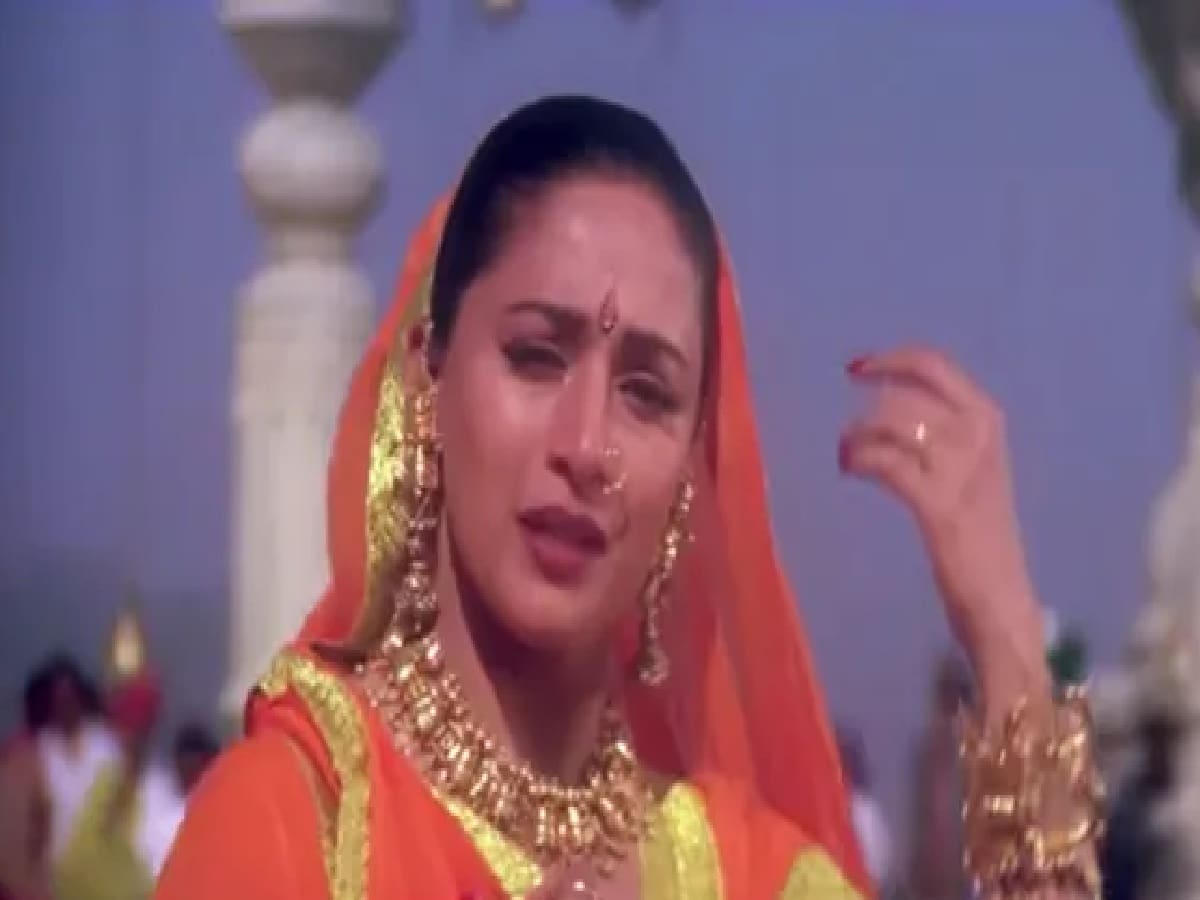
Hindi cinema has witnessed countless reinterpretations of classic melodies, from high-energy remixes to contemporary fusion beats. Yet, very few musical adaptations retain the spiritual resonance and emotional purity that can captivate listeners across decades. Standing tall among these cinematic gems is the cult number from Rakesh Roshan’s 1997 action-drama Koyla, starring Shah Rukh Khan and Madhuri Dixit. Nearly three decades after its screen debut, "Sanson Ki Mala" continues to mesmerize audiences with its rare intersection of intense romantic expression, centuries-old Krishna devotion, and mystical Sufi tradition.
A Centuries-Old Devotional Legacy Reimagined for the Screen
The soul of the track is anchored in centuries of traditional Indian devotional heritage, closely drawing from the evocative poetry and spiritual surrender of 16th-century mystic Meerabai. Originally conceived as an intense devotional offering dedicated to Lord Krishna, the verse conveys total surrender to divine love with every passing breath. When the track was adapted for mainstream cinema in Koyla, legendary lyricist Indeevar sculpted words that bridged sacred devotion with cinematic passion. Veteran composer Rajesh Roshan orchestrated the composition with rich classical arrangements, while playback singer Kavita Krishnamurthy delivered an evocative, career-defining vocal performance that brought Madhuri Dixit’s expressive screen presence to life.
From Nusrat Fateh Ali Khan’s Landmark Performance to Bollywood Immortality
The modern legacy of the melody owes a profound debt to the legendary qawwali maestro Ustad Nusrat Fateh Ali Khan. Historical accounts note that Khan performed his soul-stirring rendition of "Sanson Ki Mala Pe" in India as early as 1979 during the celebrated wedding celebrations of Rishi Kapoor and Neetu Singh. Through his signature improvisations and ecstatic vocal phrasing, the composition became forever intertwined with his global artistic identity.
Archival discussions and literary chronicles point out that the verses also share roots with the poetic craft of Tufail Hoshiarpuri, interweaving authentic Punjabi folk cadence with timeless devotional poetry. Nearly eighteen years after Nusrat Fateh Ali Khan captivated audiences with his rendition, Rakesh Roshan integrated the core spirit of the piece into Koyla. The outcome was an unparalleled musical milestone: a romantic blockbuster track that seamlessly fused the solemnity of a classical bhajan with the transcendent ecstasy of Sufi qawwali, securing its place as an eternal masterpiece in Indian film music history.