







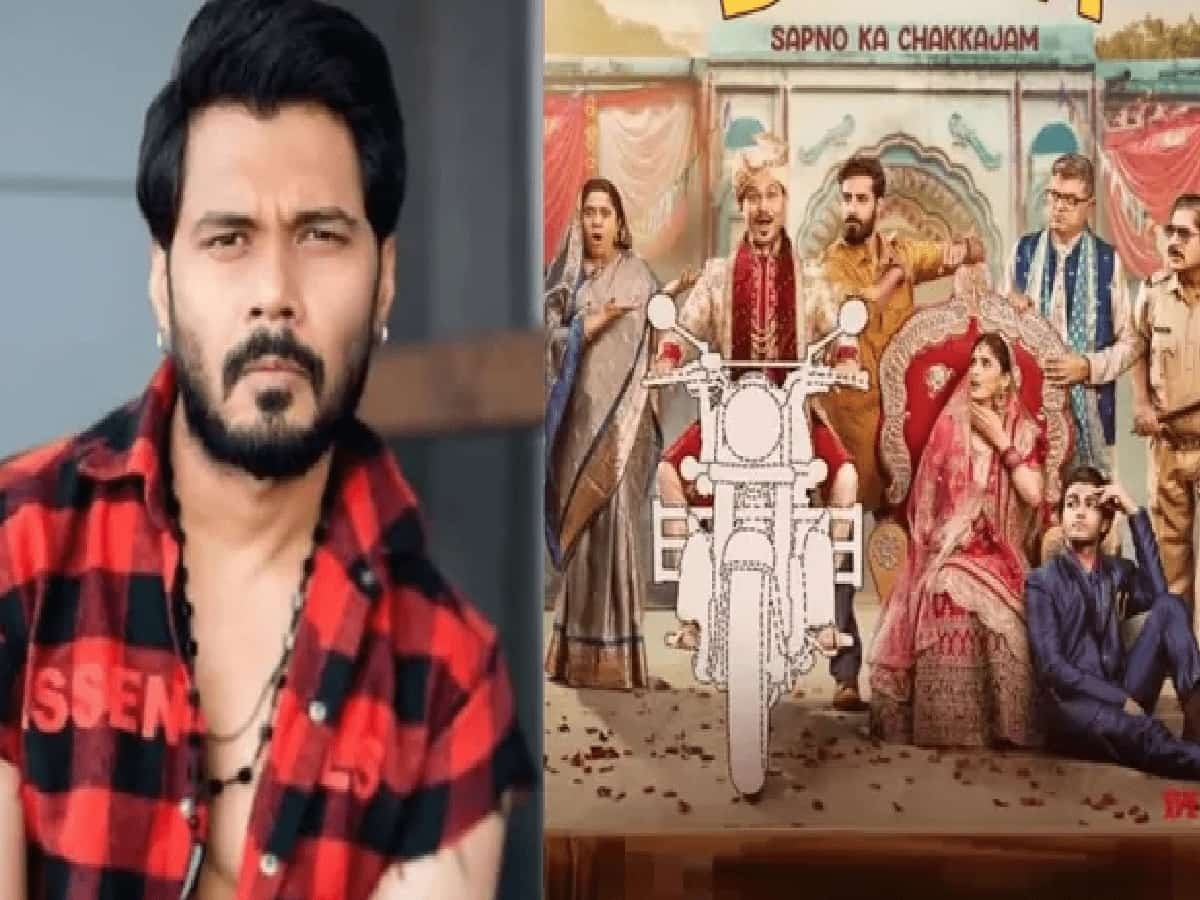
How Real Village Weddings Inspired Hit Web Series
Actor and writer Avinash Dwivedi, who gained widespread acclaim for portraying the quirky yet pivotal character of Kuber in the comedy-drama web series Dupahiya, has shared exclusive insights into the upcoming third season alongside the real-life inspirations behind the show. Hailing from Gorakhpur, Uttar Pradesh, Dwivedi not only anchored the antagonist's comic nuances on screen but also penned the screenplay that captured rural societal dynamics in the fictional village of Dhadakpur, Bihar. From tackling dowry-driven motorbike obsessions to exam paper leaks, the creator opened up about his arduous journey spanning dance reality shows, financial distress, and his deliberate decision to write his own breakthrough roles.
The Real Inspiration: How Dowry Bikes in Rural Weddings Sparked 'Dupahiya'
The core narrative of Dupahiya stems directly from authentic grassroots observations in North Indian villages:
-
The Rajdoot Craze: Dwivedi revealed that the central concept emerged while attending family weddings in his ancestral village, where unemployed cousins would agree to marry solely if offered a motorcycle—particularly the iconic Rajdoot—as part of the dowry.
-
Questioning the Bond: The realization that entire marital alliances were sealed over the demand for a two-wheeler, often without even meeting the bride, prompted him to write a satirical narrative exploring what happens when the foundation of a marriage is resting entirely on a vehicle.
-
Father-Son Friction Rooted in Reality: The dynamic between Bhugol (played by Sparsh Shrivastav) and his father Banwari Jha (played by Gajraj Rao) mirrors Dwivedi’s personal relationship with his own father, who opposed his early dancing aspirations in favor of conventional academics before eventually trusting his Mumbai ambition.
Bringing 'Kuber' to Life: Audition Hurdles and the 'Bloody Beauty' Quip
Dwivedi chose to step into the role of Kuber through standard competitive auditions rather than assigning it to himself:
-
Earning the Role Through Auditions: Despite being the series creator, Dwivedi auditioned for Kuber before the director and Amazon executives, arguing that the character serves as the primary engine driving the plot forward through his dowry demand.
-
Mirroring Regressive Mindsets: To make Kuber authentic, Dwivedi borrowed behavioral mannerisms from village acquaintances who had cleared competitive government exams yet retained deeply conservative, archaic attitudes toward women and social status.
-
Origin of 'Bloody Beauty': The memorable catchphrase directed at Roshni (Shivani Raghuvanshi) in Season 2 was improvised by Dwivedi, inspired by an elderly villager who used broken English phrases to assert social superiority over city-educated youths visiting during summer vacations.
The Grinding Struggle: From Reality Show Glory to Writing His Own Future
Behind the creative success lies over a decade of navigating financial precarity in Mumbai's entertainment ecosystem:
-
The Reality Show Fallacy: After winning a major dance reality television show, Dwivedi assumed industry offers would immediately follow, only to discover that TV fame evaporated once ratings cycles concluded.
-
Surviving on Choreography: To stay afloat during dry spells between episodic roles and regional Bhojpuri serials like Sa Se Saraswati, he choreographed high-profile wedding events in Delhi and taught dance classes to fund acting workshops and martial arts training.
-
Writing Out of Necessity: Recognizing that outside casting directors rarely offered multifaceted parts to outsiders without existing industry connections, he turned to writing scripts specifically designed to showcase his performance range.
-
Sambhavna Seth's Unwavering Support: Speaking on his wife, actress Sambhavna Seth, Dwivedi noted that her emotional response and critique of Season 2 served as his biggest validation, teaching him to assertively claim the professional credit and opportunities he worked hard to build.
Season 3 Roadmap and Balancing the Dual Craft
Looking forward to the next chapter of the hit rural franchise, the creator remains focused on substance over assembly-line production:
-
Advancing into Season 3: With Season 2 deepening the stakes around competitive examination leaks and complex rural relationships, development work on Dupahiya 3 is progressing to explore the fallout of Dhadakpur's evolving village politics.
-
Prioritizing Quality Over Volume: Rejecting the pressure to churn out half a dozen projects annually, Dwivedi reaffirmed his commitment to limiting his slate to two or three carefully crafted scripts where he can actively write and perform without diluting narrative quality.




