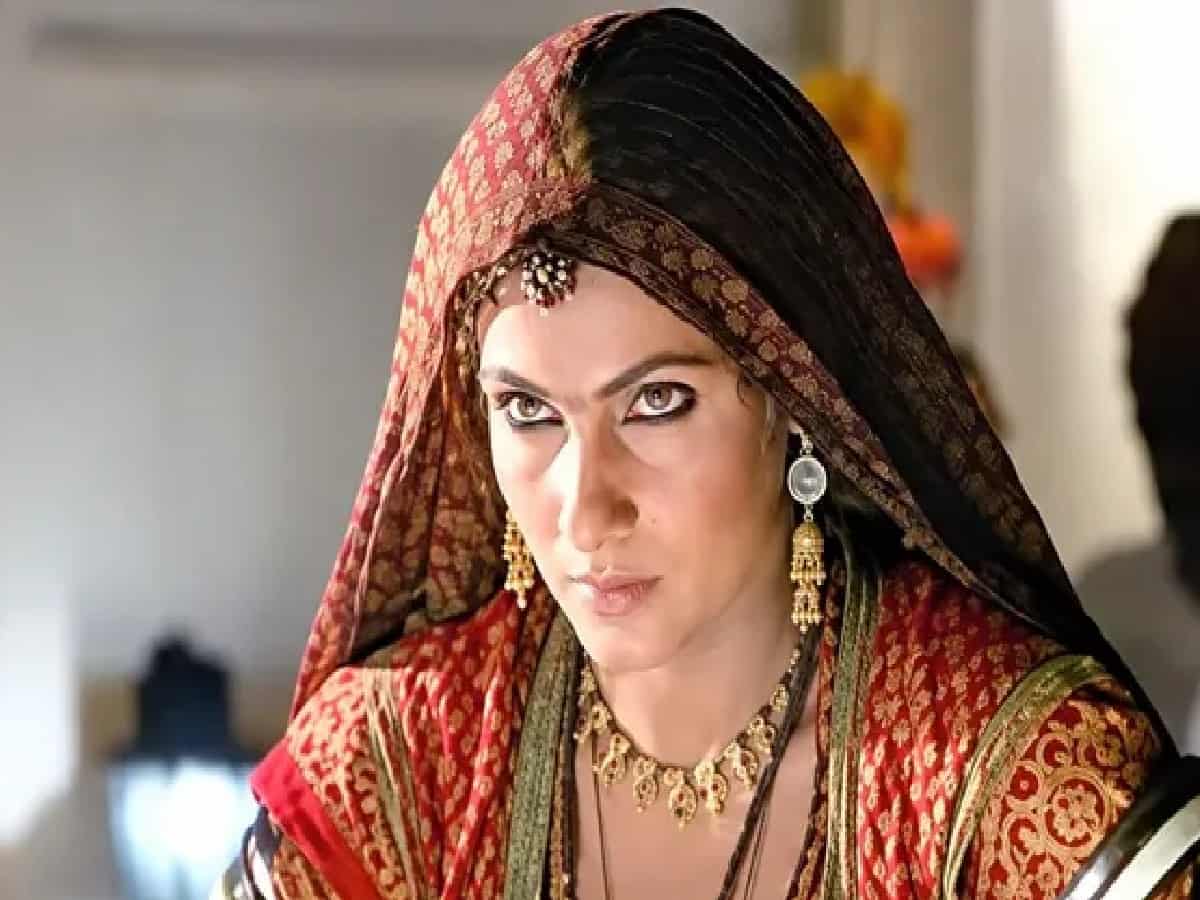
How Lata Mangeshkar & Bhupen Hazarika Crafted Dimple Kapadia’s Cult Classic ‘Dil Hoom Hoom Kare’ 33 Years Ago
Indian cinema’s rich musical legacy has consistently drawn its most soul-stirring melodies from deep-rooted regional folklore, bridging diverse linguistic traditions to create enduring artistic masterpieces. One of the most striking cross-cultural musical intersections occurred 33 years ago in the 1993 Kalpana Lajmi-directed drama Rudaali. The film birthed the melancholic ballad "Dil Hoom Hoom Kare," featuring a career-defining performance by veteran actress Dimple Kapadia. While the visual storytelling placed Kapadia in the arid landscapes of rural Rajasthan as a professional mourning woman, the song’s core musical DNA was rooted thousands of kilometers away in the lush Brahmaputra valley, inspired directly by the traditional Bihu folk cadences of Assam and brought to life through the incomparable vocal resonance of India’s Nightingale, Lata Mangeshkar.
From 'Buku Hum Hum Kore' to 'Dil Hoom Hoom Kare': The Genius of Dr. Bhupen Hazarika and Gulzar
The iconic track was not an original Bollywood pop composition, but a cinematic adaptation of the seminal Assamese classic "Buku Hum Hum Kore," composed and originally rendered by the legendary music maestro Dr. Bhupen Hazarika. Revered as the musical voice of Northeast India, Hazarika carried the vibrant melodic phrasing of Assamese folk music into national mainstream cinema, composing the entire soundtrack for Rudaali. To translate the raw emotional longing of the Assamese original for a broader Hindi-speaking audience, legendary poet-lyricist Gulzar penned deeply evocative verses that captured the aching human spirit, while Hazarika collaborated closely with Swar Kokila Lata Mangeshkar to produce two distinct versions—a haunting female solo by Mangeshkar and an earthy, baritone rendition performed by Hazarika himself.
Folk Fusion: Blending Brahmaputra Melodies with the Desolate Sands of Rajasthan
The cultural contrast within "Dil Hoom Hoom Kare" remains one of the most innovative experiments in Hindi film music. Visually, Dimple Kapadia is depicted in authentic traditional Rajasthani attire, embodying the grief and suppression of a marginalized woman in the desert plains, while the underlying acoustic rhythm carries the distinct cadence of Assamese Bihu folk traditions. Although Rudaali was an arthouse project that had limited mainstream box-office reach compared to commercial blockbusters of 1993, the song bypassed commercial hurdles to earn cult status. More than three decades after its original release, the track continues to be celebrated by musicologists, folk preservationists, and multi-generational listeners as a masterclass in regional folk fusion.