







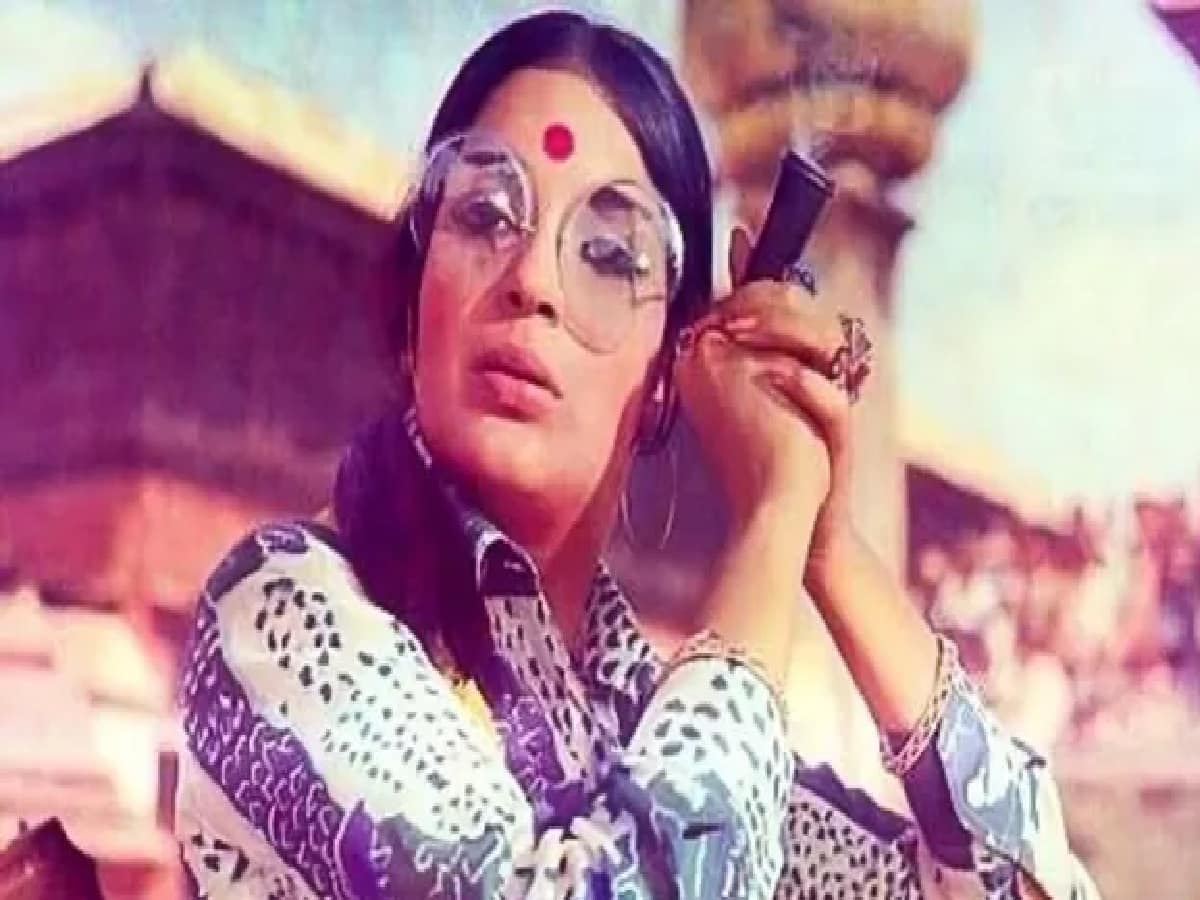
Dum Maro Dum: How Dev Anand Gave Asha Bhosle the Iconic Banned Hit
Fifty-five years after Dev Anand's landmark cult classic Hare Rama Hare Krishna hit cinema screens in 1971, its electrifying psychedelic track "Dum Maro Dum" remains one of Hindi cinema's most unforgettable youth anthems—a song whose raw energy, hypnotic percussion, and rebellious spirit have never truly been matched by modern remixes. Yet behind the legendary recording that catapulted Zeenat Aman into overnight stardom and showcased Asha Bhosle's fearless vocal range lies an extraordinary chapter of Bollywood musical history: the track was originally conceived as a duet between Lata Mangeshkar and Usha Uthup before a pivotal creative intervention by producer-director and lead star Dev Anand changed the course of the song forever. Set against the backdrop of the burgeoning late-1960s and early-1970s hippie movement in Kathmandu, R.D. Burman and lyricist Anand Bakshi crafted the sequence to contrast the haze of drug intoxication with grounded reality—picturizing the intoxicating chillum-smoking hippie segment on Zeenat Aman (playing Janice/Jasbir) while Mumtaz (playing Shanti) represented the sober voice of reason. As Usha Uthup later revealed during an appearance on The Kapil Sharma Show, she had actually rehearsed Zeenat Aman's portion alongside Lata Mangeshkar, who was slated to sing Mumtaz's lines, only to never receive a callback for the final recording. When Uthup later asked composer Rahul Dev Burman what happened, Pancham da candidly told her that he had wanted to give her the track, but Dev Anand—renowned for his sharp musical ear—stepped in and insisted that Asha Bhosle was the ideal voice to capture the track's dramatic shift and edgy allure. Once released, Asha Bhosle's rendition electrified young audiences across India, even as conservative critics and authorities accused the song and its visuals of glamorizing drug abuse and hippie counterculture—leading to a temporary ban on official broadcasts before public enthusiasm turned it into an enduring party and pop-culture classic. For cinema lovers, retro music enthusiasts, and readers across Mumbai, New Delhi, Unnao, Lucknow, Kanpur, and Kolkata, the story of "Dum Maro Dum" remains a timeless lesson in how spontaneous creative decisions shape cultural history.
Dum Maro Dum (1971): Original Singers, Dev Anand's Choice & Controversy Breakdown
To bring together the verified behind-the-scenes facts surrounding the making of "Dum Maro Dum" from Hare Rama Hare Krishna (1971), the role of Dev Anand, R.D. Burman, Lata Mangeshkar, Usha Uthup, and Asha Bhosle, and the controversy that led to its ban, the table below summarizes the key milestones:
| Aspect of the Song | Verified Film & Music History | Cultural & Cinematic Impact |
| Film & Release Milestone | Hare Rama Hare Krishna (released 55 years ago in 1971), directed, produced by, and starring Dev Anand. | Introduced Zeenat Aman as a breakout youth icon alongside Mumtaz and Dev Anand. |
| Composer & Lyricist | Music composed by Rahul Dev Burman (R.D. Burman) with lyrics penned by Anand Bakshi. | Blended Western psychedelic rock guitars and drums with Indian cinema storytelling to critique youth alienation and drug addiction. |
| Original Duet Plan | Originally planned as a duet with Usha Uthup singing Zeenat Aman's hippie segment and Lata Mangeshkar singing Mumtaz's contrasting lines. | Usha Uthup rehearsed the song before being dropped prior to the final studio recording. |
| Dev Anand's Creative Pivot | On Dev Anand's suggestion, R.D. Burman brought in Asha Bhosle to record "Dum Maro Dum." | Delivered one of Asha Bhosle's career-defining tracks, earning her the Filmfare Award for Best Female Playback Singer. |
| Ban & Lasting Legacy | Faced a broadcast ban due to concerns over depicting chillum smoking, drug use, and hippie culture, plus visuals deemed objectionable at the time. | Despite initial censorship, the song became an unstoppable youth anthem and remains a staple across generations. |
How a Rehearsed Duet for Lata Mangeshkar and Usha Uthup Became Asha Bhosle's Solo Triumph
In the early 1970s, Usha Uthup's deep, husky contralto was a sensation in nightclubs and a fresh sound for Hindi film music, making her R.D. Burman's natural first choice to voice Zeenat Aman's Westernized hippie persona opposite Lata Mangeshkar singing for Mumtaz. However, after initial rehearsals were completed, Dev Anand—who closely oversaw every musical detail of his Navketan productions—felt Asha Bhosle's voice would best anchor the song's dramatic arc, prompting Burman to reshape the recording around Asha's unforgettable delivery while explaining the tough call to Uthup afterward.
Why 'Dum Maro Dum' Faced a Broadcast Ban Yet Became an Immortal Youth Anthem
Although Dev Anand intended Hare Rama Hare Krishna as a cautionary social drama warning young people against narcotics and family estrangement, the sheer magnetism of Zeenat Aman's performance and Asha Bhosle's electrifying vocals sparked immediate backlash from moral guardians, who argued the sequence glamorized chillum smoking and triggered a formal broadcast ban. Far from fading away, however, the track resonated deeply with college campuses and young listeners across Mumbai, New Delhi, Lucknow, Kanpur, and Kolkata, cementing its place as an eternal party classic—and if you wish to revisit the complete licensed song lyrics, you can find them easily by searching for "Dum Maro Dum Hare Rama Hare Krishna lyrics" on Google.




