







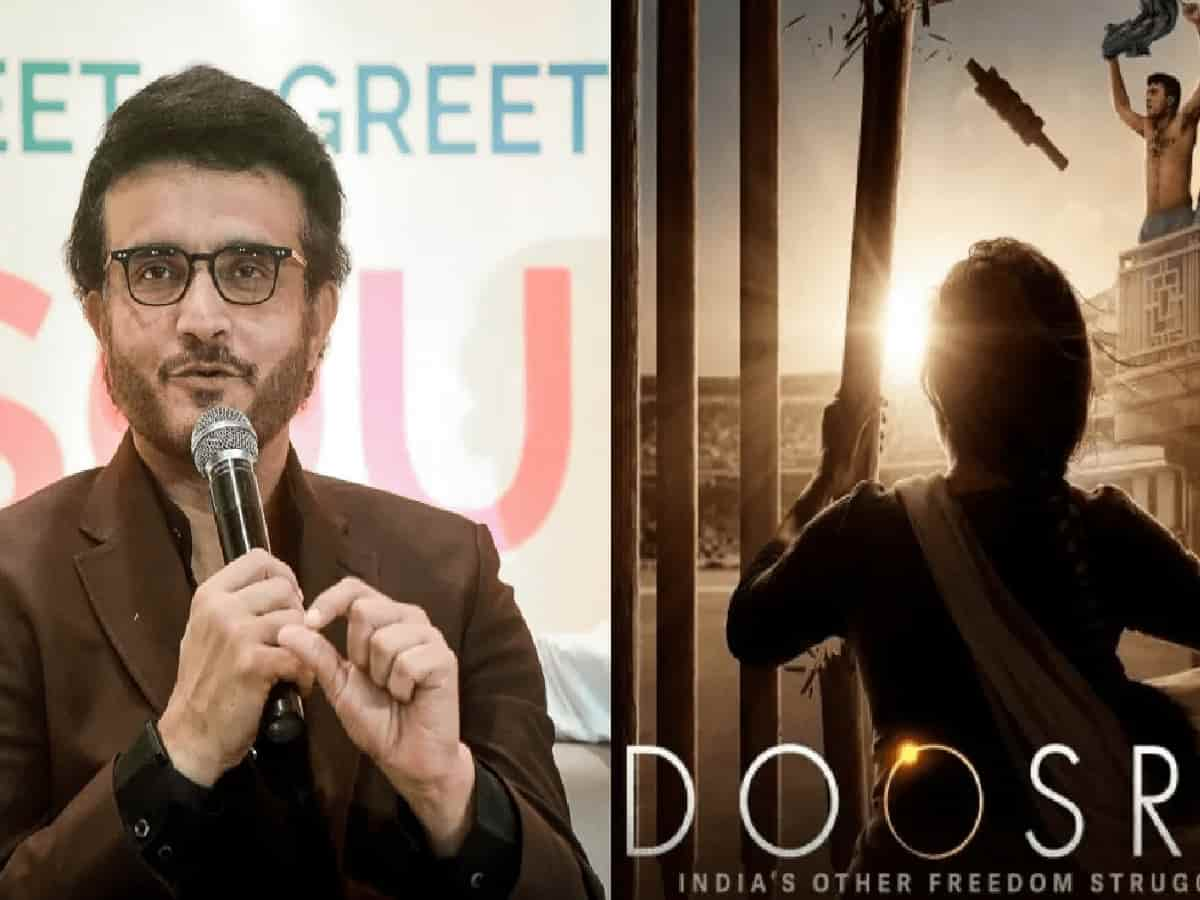
Delhi HC Orders Doosra Makers to Pay ₹2 Cr Over Ganguly Portrayal
In a pivotal legal precedent reinforcing the inviolability of celebrity personality rights and commercial likeness in Indian jurisprudence, the Delhi High Court has ruled decisively in favor of legendary former Indian cricket team captain Sourav Ganguly and production house Luv Films. Delivering its verdict in an infringement lawsuit brought against the producers of the sports drama Doosra, the high court found that the feature film impermissibly appropriated significant facets of Ganguly’s iconic persona, historic sporting milestones, and public identity without prior statutory authorization or commercial consent. To remedy the breach, the court directed Ramesh Deo Productions Private Limited to deposit an interim security amount of ₹2 crore with the judicial registry, while mandating comprehensive bilingual disclaimers at the head and tail of the movie and placing immediate judicial restrictions on the project’s wider digital streaming and broadcast rollout.
The Personality Rights Verdict: Safeguarding Celebrity Identity
The core grievance adjudicated by the bench centered on whether filmmakers can commercially exploit the life events, distinctive gestures, and athletic legacy of a living public figure under the guise of fictional dramatization without acquiring an official license. The court emphasized that personality rights—encompassing an individual's name, visual likeness, voice, recognizable public mannerisms, and personal biographical history—represent a protected form of intellectual and moral property that cannot be commodified without explicit written consent.
The court observed that critical segments of Doosra’s narrative arc are inextricably linked with real-life events from Sourav Ganguly’s cricketing captaincy, notably his aggressive reinvention of Indian cricket in the early 2000s and iconic moments from the 2002 NatWest Series final at Lord's. The bench noted that because these historic sporting milestones are interwoven into the screenplay’s dramatic framework, surgically excising every reference to the former BCCI president would be practically unfeasible. Consequently, rather than executing a total recall of physical prints, the court implemented financial restitution alongside stringent display conditions to ensure the public is not misled regarding Ganguly’s involvement.
Compulsory Bilingual Disclaimers and ₹2 Crore Security Deposit
Under the detailed directives issued in the formal order, the high court ordered Ramesh Deo Productions to deposit ₹2 crore before the court registry to secure against the financial infringement of Ganguly's exclusive personality rights. Furthermore, the court mandated that the filmmakers must incorporate explicit, high-visibility disclaimers in both English and Hindi at both the beginning and conclusion of the movie across all circulating and future prints.
These court-approved notices must inform viewers that Sourav Ganguly did not grant consent for the commercial exploitation, adaptation, or portrayal of his personality, life journey, or career within the film. The disclaimer must clarify that Doosra does not carry his endorsement, sponsorship, or institutional authorization. The bench added that until these compliance mandates and financial deposits are fully met, the film’s distribution across over-the-top (OTT) streaming platforms, satellite television syndication, and ancillary digital networks remains strictly restricted under the terms of the injunction.
Behind 'Doosra': Plot Structure, Release Date, and Box Office Fate
Directed by acclaimed filmmaker Abhinay Deo—known for celebrated cinematic outings such as Delhi Belly and Blackmail—Doosra arrived in Indian cinema halls on October 23, 2026. Billed as a coming-of-age social drama intermeshed with athletic sociology, the film stars Plabita Borthakur, Ankur Vikal, Samidha Guru, and Twisha Joshi in primary roles. The narrative explores gender roles, social rebellion, and cultural transformation in millennial India, utilizing the metaphor of Ganguly’s counter-attacking cricket style as a catalyst for female empowerment in small-town households.
Despite receiving modest praise from film critics for its earnest thematic premise, the production struggled to find commercial momentum at ticket counters. According to box office monitoring portal Sacnilk, Doosra recorded a muted theatrical performance, pulling in an opening net total of approximately ₹14 lakh, with its domestic gross collection standing at ₹16 lakh. The imposition of the ₹2 crore court deposit and digital platform curbs represents a major commercial hurdle for the production house, highlighting the serious financial risks of releasing unendorsed biographical storytelling in contemporary Indian cinema.
Official Biopic on the Horizon: Rajkummar Rao as 'Dada'
The legal standoff gained heightened significance due to the commercial interests of Luv Films, which had officially acquired exclusive adaptation and biographical rights directly from Sourav Ganguly for an authorized cinematic biopic. That official project, titled Dada: The Sourav Ganguly Story, has locked its theatrical release for May 14, 2027.
Mounted on a lavish scale, the authorized biopic is being helmed by director Vikramaditya Motwane and produced by Luv Ranjan alongside Ankur Garg. Acclaimed actor Rajkummar Rao portrays Sourav Ganguly on screen, tracking his journey from his childhood in Behala, Kolkata, through his rise as a left-handed batsman, his tumultuous tenure as Indian captain, and his subsequent administrative role at the BCCI. For Luv Films, ensuring that unauthorized indie productions do not preemptively capitalize on Ganguly’s signature cultural legacy was vital to safeguarding the commercial equity of their authorized tentpole.
Transforming Legal Norms for Biographical Content in India
The Delhi High Court's ruling marks an important milestone in India's evolving media law landscape, aligning domestic judicial enforcement with global legal protections around the right of publicity. Over recent years, courts across Delhi, Bombay, and Madras have seen an influx of personality rights petitions filed by iconic actors, musicians, and sports personalities seeking protection against deepfakes, unauthorized digital avatars, and commercial feature films produced without official consent.
By ordering a substantial ₹2 crore interim deposit alongside mandatory bilingual disclaimers and OTT restrictions, the court has sent a clear message to content creators, studio executives, and independent production companies. The verdict establishes that while historical sports commentary is protected public knowledge, crafting commercial screenplays around a living icon’s distinctive brand identity requires prior clearance and formal licensing. As Dada: The Sourav Ganguly Story prepares for its 2027 premiere, the legal outcome in the Doosra case serves as a benchmark for how intellectual property and personal legacy are protected in modern Indian media.




