







Daayra Movie Review: Strong Leads Sunk by Weak Screenplay as Meghna Gulzar Misses the Mark
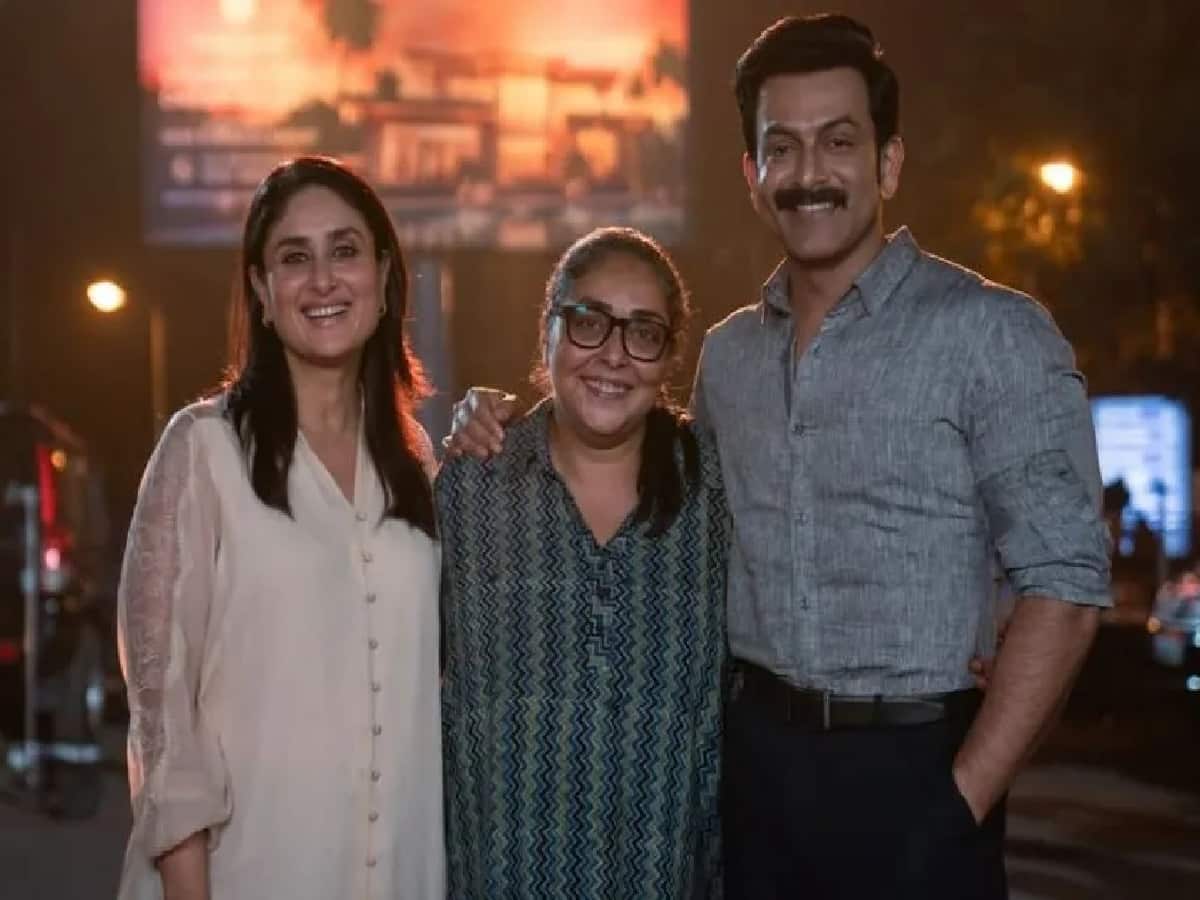
Following the critical acclaim achieved by hard-hitting investigative dramas like Talvar and Raazi, director Meghna Gulzar returns to the silver screen with Daayra, an intense legal-investigative crime drama headlined by Prithviraj Sukumaran and Kareena Kapoor Khan. The narrative tackles urgent societal and constitutional fault lines: the brutal gang rape and murder of a young woman named Ragini (played by Pragati Mishra), the swift extrajudicial encounter of the four perpetrators led by DCP Raman Kumar (Prithviraj Sukumaran), and the subsequent forensic Special Investigation Team (SIT) probe launched by officer Ajooni Kohli (Kareena Kapoor Khan) to ascertain if the police shooting was authentic self-defense or calculated institutional vengeance. While the premise carries genuine dramatic weight, the final cinematic translation struggles to deliver the razor-sharp investigative tension audiences expected, leaving viewers feeling as though an extended television police procedural was stretched across a theatrical runtime.
Stellar Screen Presence: Prithviraj Commands the Frame While Kareena Faces Limited Scope
The film's most notable asset remains the caliber of its central performers. Prithviraj Sukumaran commands every frame he occupies, delivering a grounded, commanding portrayal of an officer trapped between administrative procedure and moral outrage; despite a slight South Indian vocal inflection, his authoritative screen presence sustains the movie's early investigative momentum. Opposite him, Kareena Kapoor Khan, fresh off compelling performances in Jaane Jaan and The Buckingham Murders, looks sharp as the observant SIT investigator and judge's daughter. However, the screenplay restricts her character’s overall narrative development and screentime, leaving the ideological tension between the two law enforcement figures underdeveloped. Among the supporting ensemble, Pragati Mishra and Kshiti Jog deliver convincing emotional work as victim and grieving mother, while Achint Kaur, Kanwaljeet Singh, Seema Azmi, Anuja Sathe, and Biswapati Sarkar offer dependable presence in their respective scenes.
Pacing Pitfalls and Choppy Edits Derail Meghna Gulzar’s Procedural Vision
Where Daayra stumbles most noticeably is its structural pacing and disjointed screenplay, co-written by Yash Keswani, Seema Agarwal, and Meghna Gulzar. The opening half establishes clear stakes through crisp procedural setups and split perspectives across the responding police and subsequent inquiry teams. Yet, heading into the second half, the narrative drags considerably as the story struggles to reconcile complex ethical debates—such as speedy justice versus due process, institutional negligence, and juvenile sentencing—into a unified viewpoint. Rather than building to a sharp, confrontational crescendo, the film wanders into drawn-out expository segments and questionable slow-motion visuals. Saurabh Goswami’s cinematography and Charu Shree Roy’s editing feature jarring cuts that break narrative rhythm, while Amit Trivedi’s musical compositions and B. Praak’s featured melody struggle to leave a lasting impact, despite Ketan Sodha’s effective ambient background score. For cinephiles tracking Gulzar's filmography, Daayra stands as an earnest legal premise that gets bogged down by hesitant storytelling and missed dramatic opportunities.