Behind Pyaasa's Cult Song: How Sahir & Guru Dutt Immortalized Pain in 1957
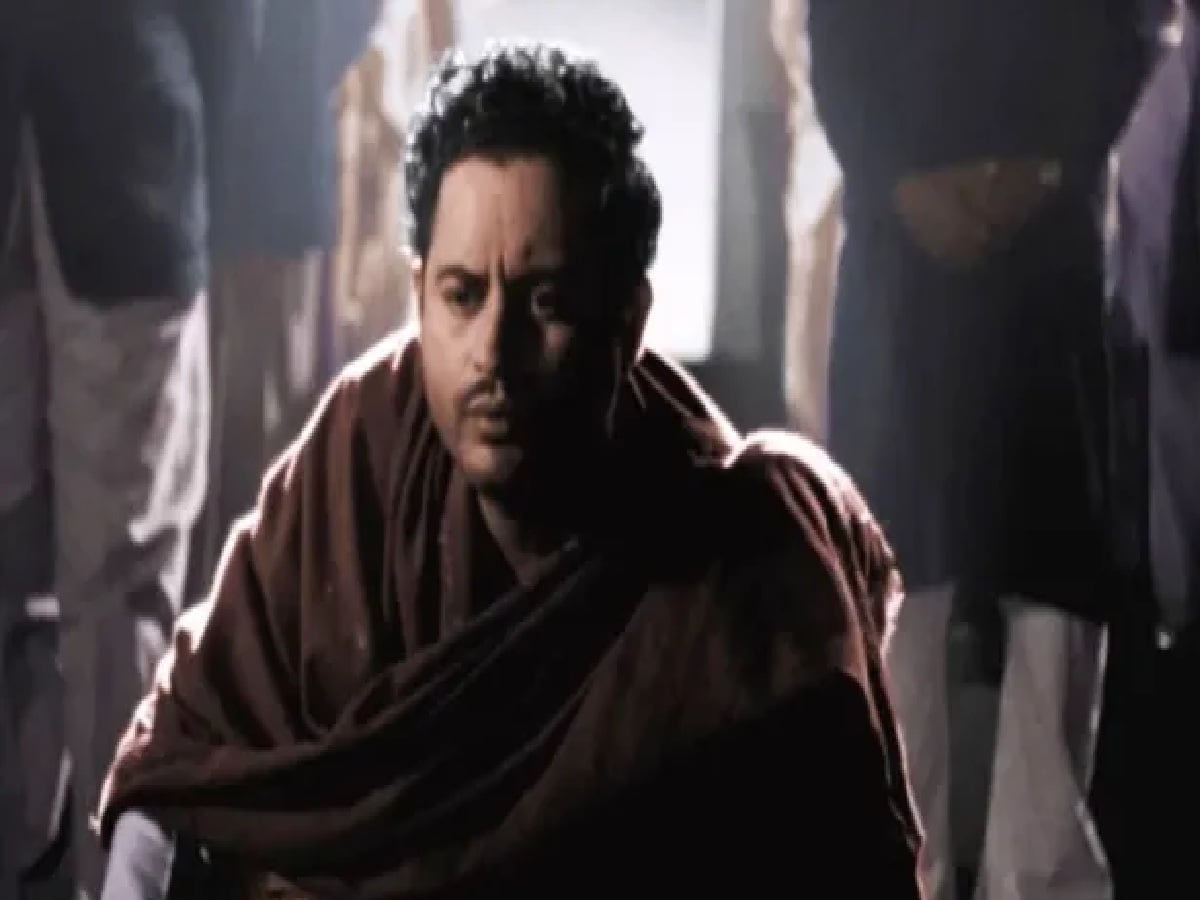
Few musical moments in Indian cinema capture existential desolation and systemic disillusionment quite like "Yeh Duniya Agar Mil Bhi Jaye" from Guru Dutt's 1957 cinematic masterpiece Pyaasa. Conceived as the philosophical crescendo of the narrative, the track stands as a searing indictment of a materialistic and hypocritical society that crushes creative expression. Brought to life by legendary playback singer Mohammed Rafi's soul-stirring rendition, set to music by maestro S.D. Burman, and filmed on Guru Dutt himself, the song remains one of the most poignant cinematic depictions of human solitude, capturing an artist's absolute rejection of worldly applause and material reward.
From 'Chakle' to Dalal Street of Art: Sahir Ludhianvi's Poetic Transformation
The origins of this defining anthem trace back not to an initial film script, but to revolutionary Urdu lyricist Sahir Ludhianvi’s landmark 1944 poetry anthology Talkhiyan. In it, Sahir had penned "Chakle," a raw and blistering critique exposing the exploitation of women in brothels and the moral bankruptcy of contemporary society. Over a decade later, when Guru Dutt was searching for a powerful climax to express the titular poet Vijay's complete detachment from fame and false prestige, Sahir adapted the foundational thematic architecture of his earlier verse into "Yeh Duniya Agar Mil Bhi Jaye." Composer S.D. Burman layered the rebellious, melancholic verses with haunting orchestration, allowing Rafi's expressive vocal dynamics to immortalize lines that decry a world obsessed with crowns, palaces, and transactional humanity.
Art Mirroring Reality: Guru Dutt's Personal Turmoil During the Making of Pyaasa
The raw emotional gravity that radiates from the sequence was deeply tied to Guru Dutt’s own fractured mental health during the film's production. While directing, producing, and starring alongside Waheeda Rehman in what would become universally hailed as one of cinema's greatest masterworks, Dutt was privately wrestling with clinical depression following his marital separation from playback legend Geeta Dutt. His internal grief and sense of alienation directly infused the sequence, during a period in which he even attempted suicide. The resulting performance transcended scripted melodrama, cementing Pyaasa and its timeless climax as an enduring monument to the vulnerable artist's struggle against an uncaring world.