46 Years On: Rafi's Iconic Romantic Hit Still Mesmerizes
Hindi cinema has witnessed countless musical breakthroughs, but few tracks capture emotional depth across multiple narrative arcs quite like the 1980 release Aap To Aise Na The. Directed by Ambrish Sangal, the film remains an essential touchstone for retro Bollywood enthusiasts largely due to a single musical piece: "Tu Iss Tarah Se Meri Zindagi Mein Shamil Hai." Even after 46 years, the track continues to evoke deep nostalgia across generations of listeners. Crafted with rare versatility, the composition was recorded in three distinct iterations to reflect changing character motivations, with prominent versions rendered by legendary playback icon Mohammed Rafi and playback singer Hemlata, each tailoring the melody to suit different dramatic phases of the storyline.
Multi-Perspective Storytelling: From Solitary Longing to a Dramatic Love Triangle
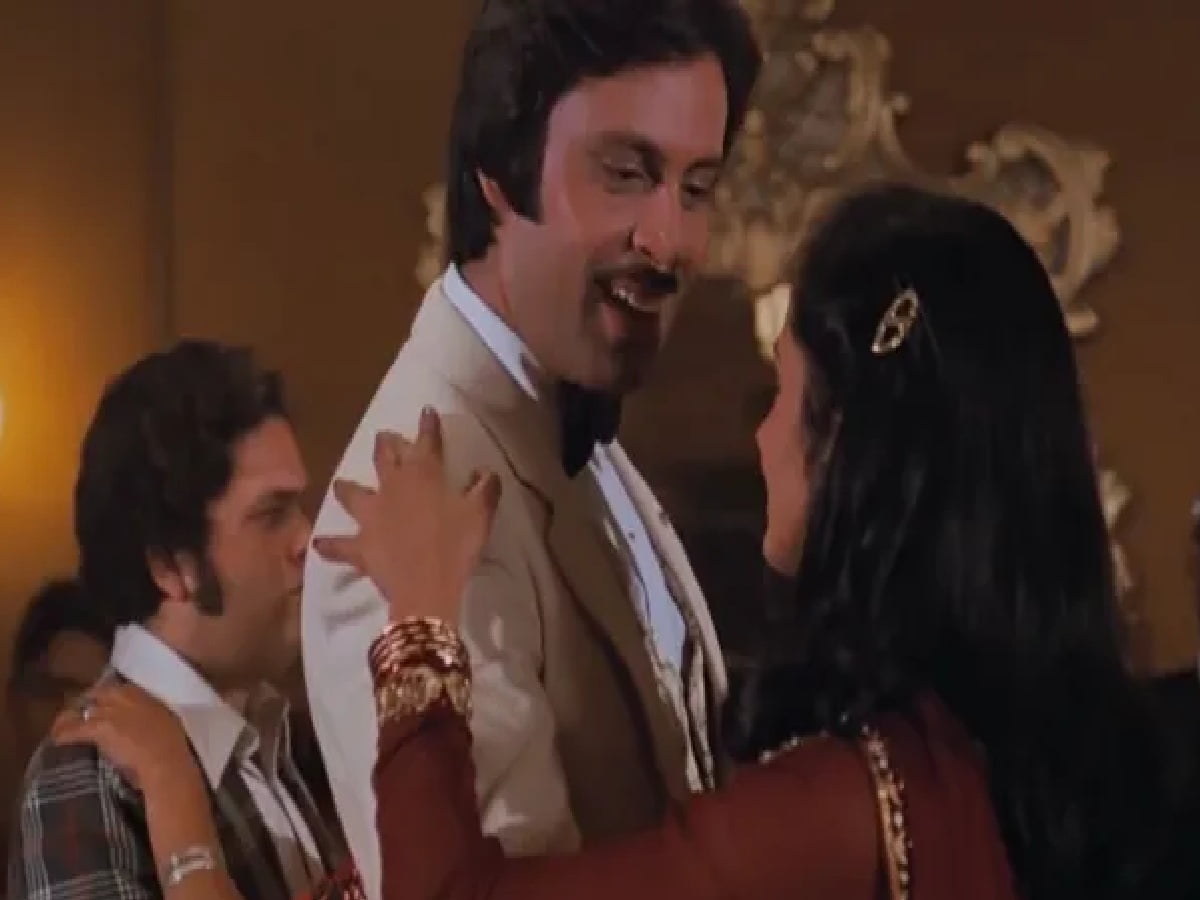
The structure of the song within the cinematic narrative serves as a masterclass in situational playback. While Hemlata’s rendition conveys intimate, solitary recollection as Ranjeeta Kaur's character reflects on lost affection, Mohammed Rafi’s iconic version elevates the composition into a high-stakes emotional confrontation. Picturised amidst a poignant love triangle featuring Raj Babbar, Ranjeeta Kaur, and Deepak Parashar, Rafi’s vocals articulate unconditional devotion laced with heartbreak. Supported by a veteran ensemble that included Madan Puri and Om Shivpuri, the sequence turned the song into a cinematic high point that came to define the public's memory of the entire production.
Nida Fazli's Lyrical Mastery Meets Usha Khanna's Enduring Composition
Behind the song's longevity lies the literary genius of renowned Urdu poet and lyricist Nida Fazli, paired with the musical arrangement of pioneering music director Usha Khanna. Fazli’s verse explores the metaphysical boundaries of affection, portraying love not as an external bond but as an intrinsic part of the soul, where the beloved becomes inseparable from everyday existence. Rather than conventional romance, Fazli wove philosophical nuance into every couplet, crafting an expression that outlived the film itself. The timeless appeal of Usha Khanna’s melodic cadence alongside Rafi’s emotive depth secured the track's status as a vintage classic, retaining its power to enchant listeners decades after its original release.