







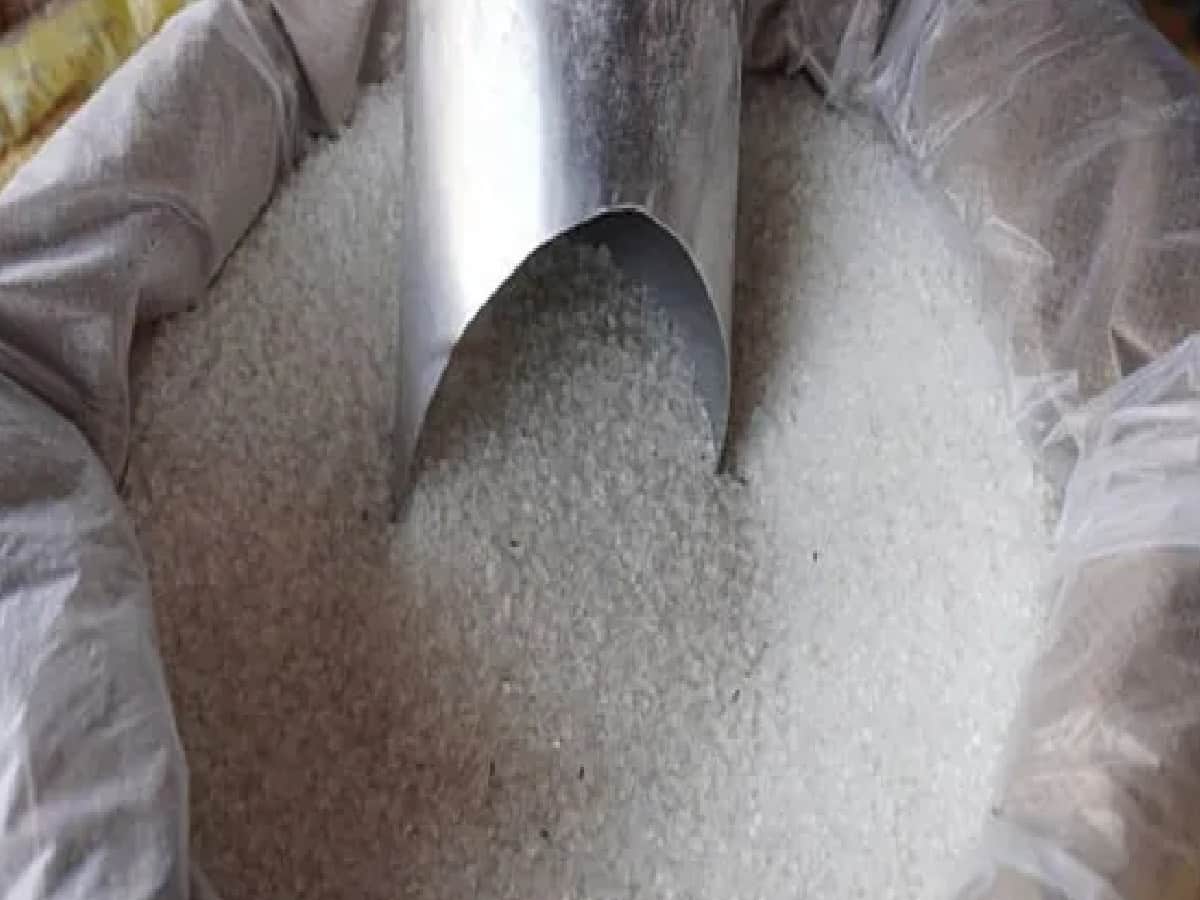
Retail Sugar Prices Set to Drop by ₹5 to ₹8 Per Kilogram as Mill Rates Fall Below ₹5,000 Per Quintal
Consumers grappling with high household budgets can expect substantial relief soon, as retail sugar prices are projected to decline by ₹5 to ₹8 per kilogram over the coming week. Following a sustained period of rising costs, representatives from the Indian Sugar & Bio-Energy Manufacturers Association (ISMA) and the National Federation of Cooperative Sugar Factories (NFCSF) addressed a joint press conference in New Delhi on September 2, 2026, clarifying that wholesale rates at mills across the country have now dropped below ₹5,000 per quintal.
Current Mill Rates Versus Stubborn Retail Prices
While wholesale rates at production units have witnessed a noticeable correction, retail markets have been slow to reflect the downward trend, with sugar still retailing around ₹63 per kilogram in select regions. Highlighting the current market breakdown, industry associations reported the following ex-mill price points across key states:
-
Maharashtra (S-Grade): ₹4,460 to ₹4,500 per quintal.
-
Gujarat (M-Grade): ₹4,740 per quintal.
-
Karnataka: ₹4,960 per quintal, marking a significant drop from previous highs.
NFCSF President Harshvardhan Patil noted that historical market margins typically maintain a gap of ₹5 to ₹8 between ex-mill and retail prices. Consequently, standardized retail rates are expected to stabilize between ₹50 and ₹52 per kilogram once the adjustment fully reaches the consumer market.
Why the Delay in Retail Relief
Addressing consumer anxieties regarding why retail prices have not dropped instantaneously, ISMA Managing Director Deepak Ballani explained that the lag is primarily driven by supply chain dynamics. Wholesale traders who initially procured and stocked inventory at higher price points are currently clearing out their older stocks and are hesitant to incur immediate losses by slashing open-market prices overnight.
However, as existing high-priced inventories exhaust and the lower mill rates propagate through the distribution network, consumers can expect visible relief in local markets within the next 7 to 10 days.