







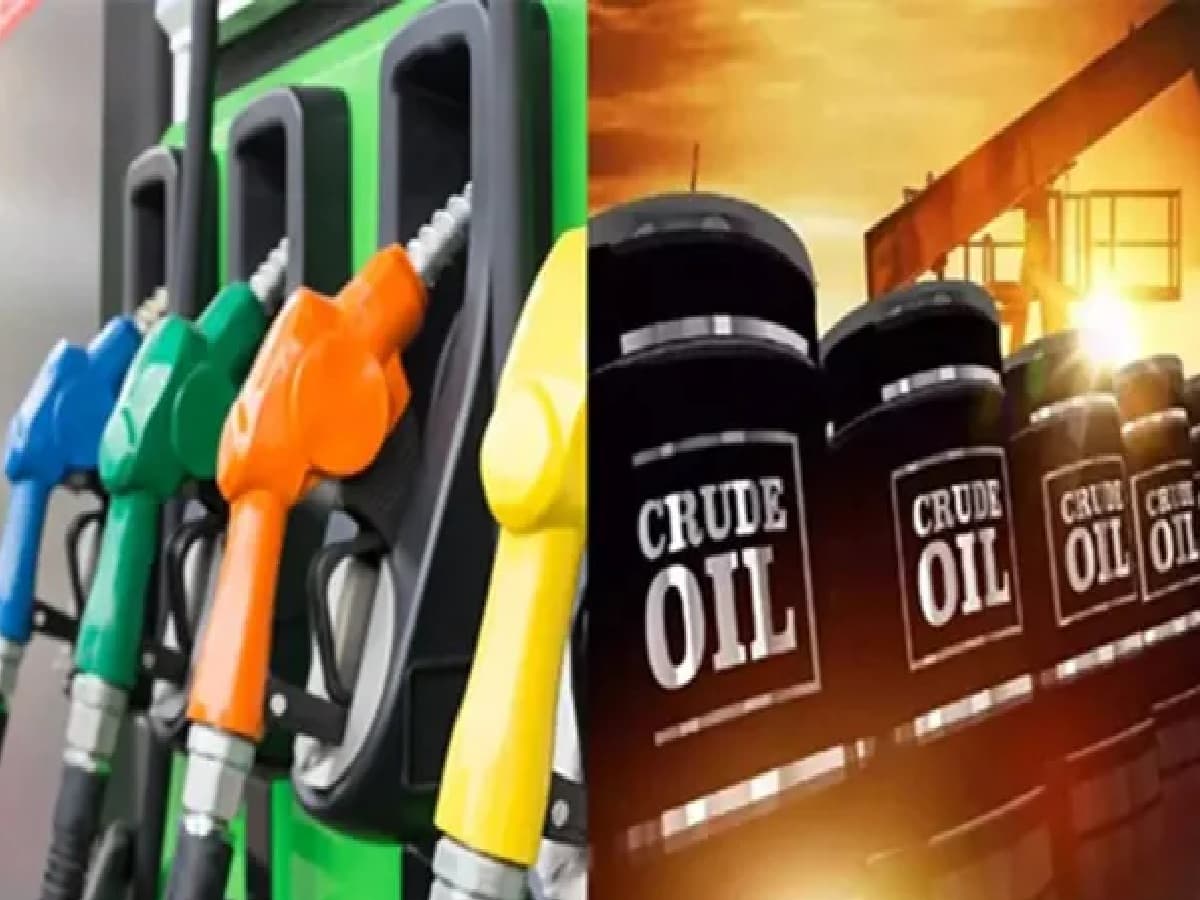
Brent Crude Breaches $110 on War Fears—Will Petrol and Diesel Prices Rise in India
International energy markets were rocked by fresh volatility on Saturday, October 17, 2026, as benchmark Brent crude futures jumped 3.7% to trade above $110 per barrel, marking its highest price level since May. The aggressive rally caps an extraordinary year where crude prices have appreciated by more than 70%, driven by sustained supply chain disruptions across Eastern Europe and West Asia. With immediate expectations of global supply relief dissolving, commodity desks and energy traders engaged in heavy pre-weekend buying, pushing prices comfortably past previous resistance barriers. For emerging economies and net energy importers like India, the sustained spike in global crude benchmarks is once again sounding alarm bells over domestic inflation, narrowing profit margins for state-run Oil Marketing Companies (OMCs), and heightening the imminent risk of upward price revisions for retail petrol and diesel at local fuel stations.
Escalating War Theatres: Drone Strikes on Saudi Infrastructure and Black Sea Refinery Outages
The immediate catalyst behind this price spike lies in the synchronized escalation of armed conflict across critical oil-producing territories. In the Middle East, Iran-backed Houthi forces have intensified their aerial campaigns, launching continuous waves of armed drones and ballistic missiles targeting energy logistics across Saudi Arabia. Simultaneously, the protracted Russia-Ukraine conflict has decisively shifted into an economic war of attrition aimed directly at oil processing hubs. A major drone strike on Russia’s critical Ryazan oil refinery brought refining operations to an abrupt halt, severely restricting output around the Black Sea maritime corridor. While the United States administration has extended 100% tariff relief to five key importing nations reliant on Russian and Iranian energy exports, the actual physical destruction of processing facilities and commercial transit routes has severely constrained export flows, leaving physical supply lines intensely strained.
The Trump-Moscow Diesel Accord Stalls: Capitol Hill Moves to Block Hundreds of Millions of Barrels
Adding fuel to the supply crunch is an escalating legislative standoff in Washington. On Friday, US lawmakers introduced emergency legislation designed to block an arrangement brokered between US President Donald Trump and Moscow aimed at releasing several hundred million barrels of Russian diesel onto international markets. Lawmakers pushing the embargo argued that allowing large-scale Russian fuel sales would directly replenish the Kremlin’s wartime finances. Although President Trump has reiterated that Moscow remains committed to honoring the fuel delivery pact, the legislative pushback in Congress alongside the operational shutdown at the Ryazan refinery has cast deep uncertainty over whether the contracted volumes will ever reach international buyers. If the blockade on Russian refined distillates holds firm, non-Russian merchant refineries worldwide will be forced to drastically ramp up crude throughput at elevated run-rates to prevent structural shortages, a dynamic that guarantees elevated base oil prices in the immediate term.
The Indian Consumer Equation: Mounting Pressure on Retail Petrol and Diesel Tariffs
For Indian consumers and economic policymakers, the return of triple-digit crude prices arrives at a delicate juncture. India relies on overseas imports to fulfill over 85% of its crude oil requirements, making domestic pump prices exceptionally sensitive to sustained offshore cost pressures. While retail petrol and diesel rates have remained largely insulated by state-owned fuel retailers over recent quarters, an extended trading range above the $109 to $110 per barrel threshold threatens to rapidly erase marketing margins for downstream distributors. If tensions in the Persian Gulf and Eastern Europe fail to de-escalate before the upcoming trading week, energy analysts warn that fuel marketing companies may soon have little choice but to pass on escalating import procurement costs, raising the likelihood of a fresh wave of fuel price adjustments across the country.




