







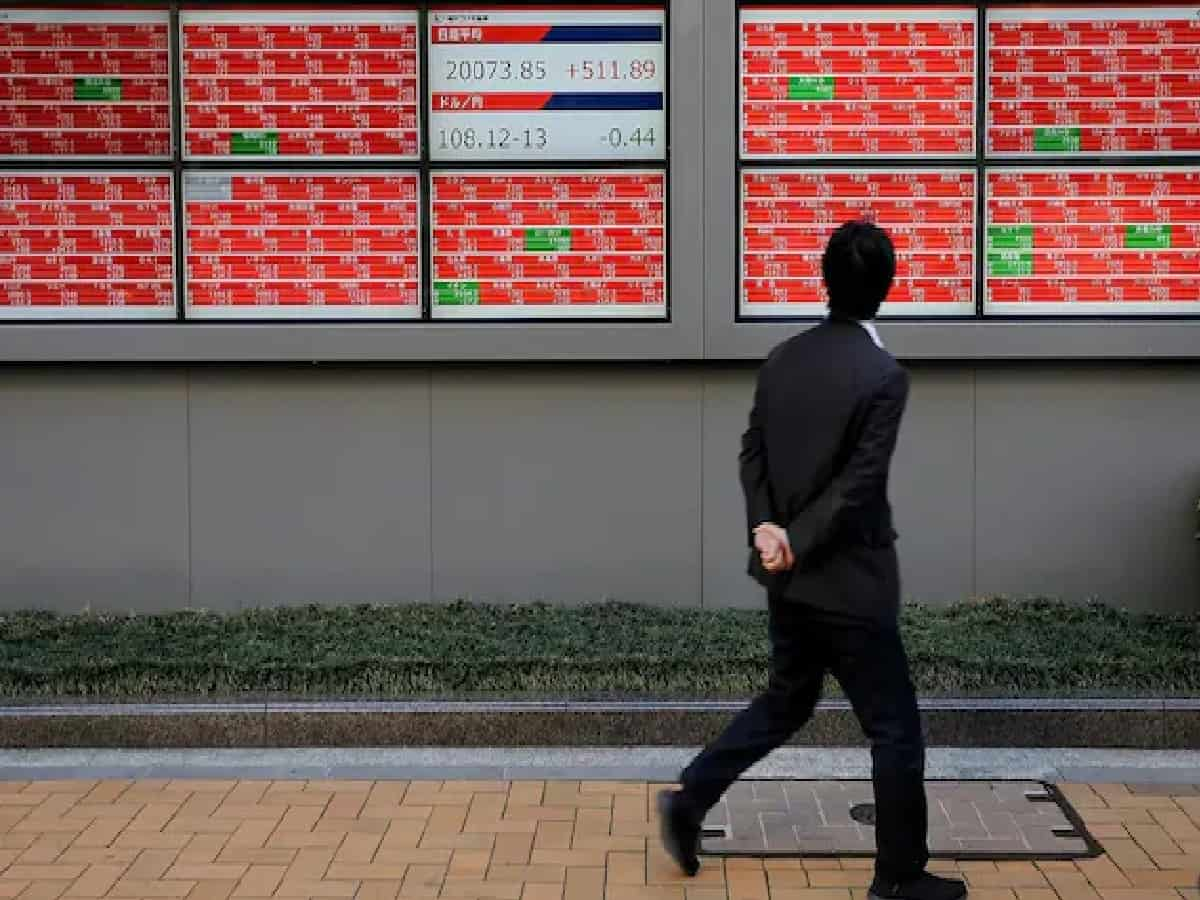
Asian Markets Crash: Nikkei Plunges 4.7%, Korea Halts Program Trades
Asia-Pacific equity markets suffered a severe rout on Friday, November 20, 2026, as mounting global anxiety over artificial intelligence valuations and overnight losses on Wall Street triggered panic selling across semiconductor and technology giants. In South Korea, the benchmark KOSPI tumbled 4.7 to 5.0 percent during morning trade—hitting intraday lows near 4,871 to 4,889 against Thursday's close of 5,137.89—forcing the Korea Exchange (KRX) to trigger a five-minute sell-side "Sidecar" halt on program trading at 11:54–11:55 a.m. local time after KOSPI 200 futures plunged 5.04 percent to 755.84 for over a minute. At the moment the emergency circuit mechanism was activated, the KOSPI stood 4.54 percent lower at 4,904.69, weighed down by steep sell-offs in memory-chip titans Samsung Electronics (-6.9%) and SK Hynix (-6.7% to -7%). Across the sea in Japan, the benchmark Nikkei 225 plunged 4.7 to 4.8 percent to an intraday trough of 56,594.94 (from a previous close of 59,444.21), breaching the 57,000 threshold for the first time since November 6 as nearly 90 percent of Tokyo-listed shares traded in the red and technology conglomerates like SoftBank Group (-15%), Kioxia Holdings (-12%+), and Advantest (-9%+) absorbed heavy losses. Market trackers estimated that the twin rout erased roughly 155.5 trillion won in South Korean equity value and 56.9 trillion yen in Japanese market capitalization—a combined wealth wipeout of approximately $480 billion across the two Northeast Asian tech powerhouses. Simultaneously, Hong Kong's Hang Seng Index slid nearly 2 percent to a four-month low, while the Hang Seng Tech Index slumped almost 4 percent to a 26-month low amid steep drops in Chinese tech names such as NetEase (-18%+) and Kuaishou (-11%+). For Indian equity investors, global fund managers, IT professionals, and readers across Unnao, Lucknow, Kanpur, Bengaluru, Hyderabad, Ahmedabad, Mumbai, and New Delhi, Friday's Asian market crash underscores how Wall Street's reassessment of AI capital spending is reverberating across global financial centers.
Asian & US Markets Rout (Nov 19–20, 2026): Indices, Halts & Losses Snapshot
To bring together the benchmark index declines, emergency trading halts, major stock losers, and overnight Wall Street triggers behind Friday's Asia-Pacific sell-off, the table below summarizes the market damage:
| Market / Exchange | Benchmark Index & Intraday Move | Key Stock Losers & Market Impact |
| South Korea (Korea Exchange) | KOSPI plunged 4.7%–5.06% (hitting 4,871–4,889 vs. 5,137.89 close); KOSPI 200 futures fell 5.04% to 755.84. | Sell-side Sidecar halted program trading for 5 minutes at 11:54–11:55 a.m. KST (with KOSPI at 4,904.69, down 4.54%); Samsung Electronics (-6.9%) and SK Hynix (-6.7% to -7%) led losses; ~155.5 trillion won wiped out. |
| Japan (Tokyo Stock Exchange) | Nikkei 225 dropped 4.7%–4.8% to 56,594.94 (vs. 59,444.21 close), slipping below 57,000 for the first time since Nov 6. | Nearly 90% of stocks declined; SoftBank Group (-15%), Kioxia Holdings (-12%+), and Advantest (-9%+) tumbled; ~56.9 trillion yen erased (combined ~$480B loss with South Korea). |
| Hong Kong & Mainland China | Hang Seng Index fell ~2% to a 4-month low; Hang Seng Tech Index sank ~3.9%–4% to a 26-month low; Shanghai Composite down 1.8%. | NetEase (-18%+) and Kuaishou (-11%+) fell sharply on US sanction worries and China growth concerns, though Alibaba (+2%+) bucked the trend. |
| Wall Street (Thursday Overnight) | Dow Jones plunged 1,100+ points to close below 50,000 (first time since June; down ~3,250 points in 4 sessions); S&P 500 & Nasdaq Composite fell ~2%; Nasdaq 100 lost ~2.2%. | Triggered by AI capex return skepticism, AMD's ~7.7%–8% drop after a short-seller report on China export controls, and fade following Anthropic's Nasdaq IPO. |
Why South Korea Triggered a Sidecar Halt and Tokyo Lost 90% Breadth
Because South Korea and Japan sit at the heart of the global AI hardware supply chain—supplying high-bandwidth memory, silicon wafers, and chip-testing gear to US hyperscalers—both markets bore the fiercest brunt of Wall Street's overnight tech unwind. When KOSPI 200 futures sank more than 5 percent for a full minute ahead of noon in Seoul, the Korea Exchange automatically engaged its sell-side Sidecar, freezing automated institutional program sell orders for five minutes to curb disorderly algorithmic cascading. Even after the pause lifted at noon, selling persisted across Samsung Electronics and SK Hynix, while in Tokyo, steep plunges in SoftBank Group (-15%) and chip-equipment leader Advantest (-9%+) dragged nearly nine out of ten listed equities lower and erased roughly $480 billion in combined Japanese and Korean market value.
Wall Street's AI Capex Jitters Spill Into Hong Kong and Global Tech
Friday's Asian crash followed a brutal Thursday session in New York, where the Dow Jones Industrial Average sank over 1,100 points to finish below 50,000 for the first time since June—extending a four-day retreat of roughly 3,250 points—while the S&P 500 and Nasdaq Composite each shed around 2 percent and the Nasdaq 100 lost 2.2 percent. Neither Anthropic's blockbuster Nasdaq debut—which opened at a 34 percent premium ($111.50 vs. $83 IPO price) before paring gains—nor solid quarterly corporate earnings could calm investor doubts over whether hundreds of billions of dollars poured into AI data centers will generate commensurate near-term profits. Compounded by a nearly 8 percent slide in AMD amid allegations involving Chinese export-control compliance and fresh pressure on Chinese internet stocks in Hong Kong, global investors shifted decisively toward defensive positioning ahead of the weekend.




